
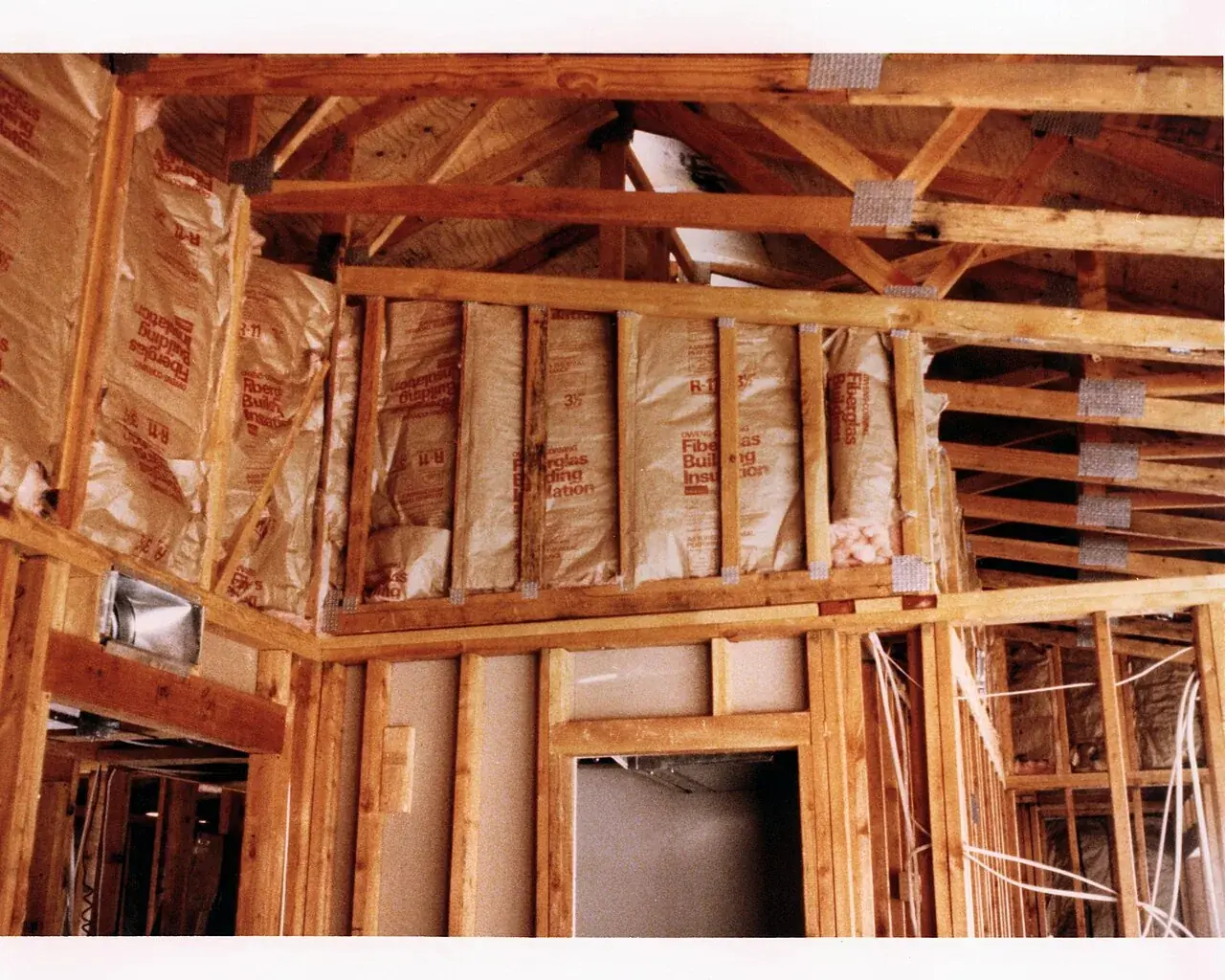
The useful starting point
Choose for the location and condition of the house, then compare complete installed assemblies. A material label or nominal R-value is not a whole-project specification.
Compare the material within the complete assembly
Natural Resources Canada’s insulation guidance distinguishes material types and the air, moisture and protective layers that make them work in a house. Use the comparison below to prepare a design discussion; it is not an installation specification.
These options are not interchangeable. Resolve water entry and investigate the existing condition before concealing it. For a foundation-specific project, the basement-wall guide compares interior and exterior approaches.
| Material | Reason to consider | Main trade-off | Ottawa purchasing check |
|---|---|---|---|
| Rigid boards | A specified continuous layer | Joints, facings and protective finish matter | Regional Quik-Therm contact; delivery and installer unconfirmed |
| Mineral-wool batts | Accessible framed cavities | Fit and separate control layers still matter | Canadian product listing; Ottawa stock not confirmed |
| Fibreglass batts | Open, suitable framed cavities | Gaps and interruptions need inspection | Ottawa installation enquiry is advertised |
| Cellulose | Specified loose-fill or cavity work | Method, preparation and access affect results | Ottawa loose-fill service lists cellulose |
| Spray foam | A product-specific contractor assembly | Application conditions and occupant arrangements | Ottawa service advertised; exact installer/product to confirm |
On smaller screens, scroll the table sideways.
What Ottawa availability means here
Supply-route check: 10 September 2026. Quik-Therm’s Ontario and Quebec dealer page gives a regional manufacturer contact. It does not identify an Ottawa installer or establish local stock for a particular board.
The Home Depot’s Ottawa insulation service advertises fibreglass, blown-in and spray-foam work, and describes cellulose among its loose-fill options. This establishes an enquiry route, not a confirmed appointment or approval of the material for your home.
A Canadian mineral-wool product listing confirms that the category is sold nationally. We have not verified an Ottawa branch’s stock or delivery commitment for that SKU. Ask the selected supplier to confirm the appropriate thermal product, quantity and collection/delivery date before relying on availability.
1. Rigid insulation boards — for a specified continuous layer
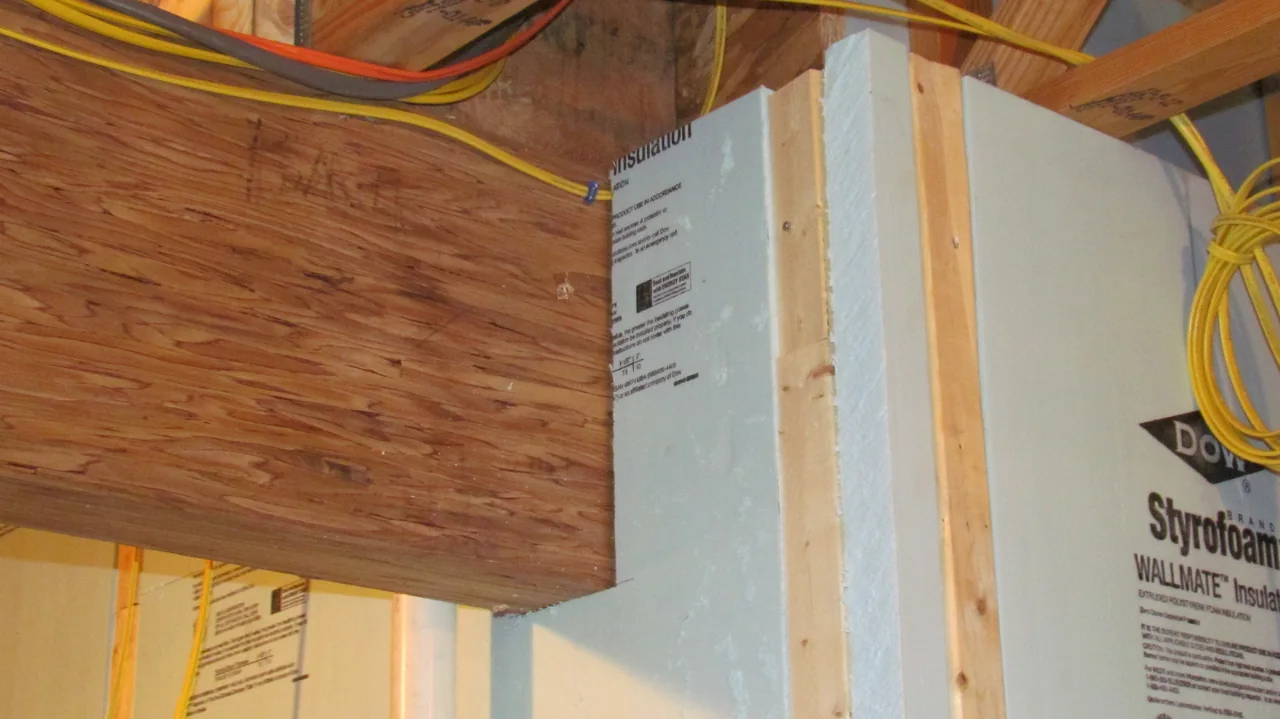
Rigid boards can be relevant where the proposed design needs a continuous layer or a product specified for a particular wall, roof or below-grade application. Quik-Therm's residential insulation systems include distinct products for different assemblies; the product and application must be matched.
Request the exact product, thickness, facing and installation detail. Ask how joints, fasteners and connections will be handled and what other layers the design requires. A manufacturer's general claim about its system should not be treated as approval for every Ottawa renovation.
Pros
- Can support a clearly specified continuous-insulation design.
- Product documents can be compared against a defined application.
Cons
- Different boards and facings are not interchangeable.
- Supply does not automatically include local design or installation.
2. Mineral-wool batts — a cavity-insulation option
Mineral-wool batts may be considered for suitable framed cavities as part of a complete assembly. Ask the contractor how the chosen product will fit the actual space, including around services and irregular framing.
Compare the full proposed work rather than treating a batt's label as the performance of the finished wall. Air leakage and interruptions in the assembly require their own details. Confirm any acoustic or fire-related claims for the complete application instead of inferring them from the material name.
Pros
- A defined cavity product is straightforward to identify in a quote.
- Can be considered where framing is accessible.
Cons
- Gaps and poor fitting undermine the intended assembly.
- It does not remove the need for separate air and moisture-control details.
3. Fibreglass batts — another option for accessible cavities
Fibreglass batts are a common category to discuss when framed areas are open. The useful comparison includes fitting, access and the rest of the assembly rather than simply selecting a nominal value from a package.
Ask how the installer will address non-standard cavity sizes, wiring and other obstructions. Have the quote identify any existing material to be removed and how the completed work will be inspected before it is concealed. A low material price is only one part of the installed cost.
Pros
- Easy to describe and compare in an itemized scope.
- May suit work where cavities are already exposed.
Cons
- Installation quality and continuity still matter.
- Closing the wall too early can hide incomplete work.
4. Cellulose — a loose-fill or cavity approach where specified
Cellulose may be considered for appropriate attic or cavity work, depending on the product and installation method. Ask the contractor what access is needed and how the proposed installation will be documented.
Do not assume that adding more material addresses air leakage or moisture. Request a description of preparation and any ventilation or clearance requirements relevant to the location. Compare the complete contractor scope, including access repairs and cleanup.
Pros
- Can be considered for some areas without rebuilding every surface.
- An installation plan can specify the intended coverage and method.
Cons
- The method and density depend on the application.
- Preparation and access work may be substantial.
5. Spray polyurethane foam — a product-specific contractor installation
Spray foam may be proposed where a designed assembly calls for it, including some irregular areas. Ask for the exact product and qualified installation process rather than accepting 'spray foam' as a complete specification.
Confirm substrate conditions, occupant arrangements, ventilation, re-entry instructions and required protective finishes with the contractor and manufacturer. The quote should explain how the work will be checked and recorded. A general product description does not establish suitability for every foundation or wall.
Pros
- May address some complex shapes in a specified assembly.
- Can be evaluated as a complete installed system.
Cons
- Product and installation requirements need careful coordination.
- Future access to concealed services may be more difficult.
Request a comparable whole-project quote
Give each qualified contractor the same area, photographs, access conditions and objective. Ask the designer to specify the proposed assembly and performance target; do not substitute one material at the same thickness and assume equal results.
No matched project quotes, measured energy savings or article-specific professional sign-off are documented for this comparison. The technical input here is published government guidance. A qualified building professional must determine the actual assembly and applicable requirements.
| Quote line | Require the same level of detail |
|---|---|
| Condition and preparation | Assessment findings, repairs, removal, disposal and excluded work |
| Assembly | Product, thickness, coverage, design target and air/moisture-control details |
| Connections | Corners, penetrations, windows and transitions shown in the scope |
| Protection and access | Required finish, ventilation/occupancy instructions, service access and inspection |
| Total and accountability | Materials, labour, taxes, reinstatement, responsible designer/installer and warranties |
On smaller screens, scroll the table sideways.
Continue planning in Ottawa
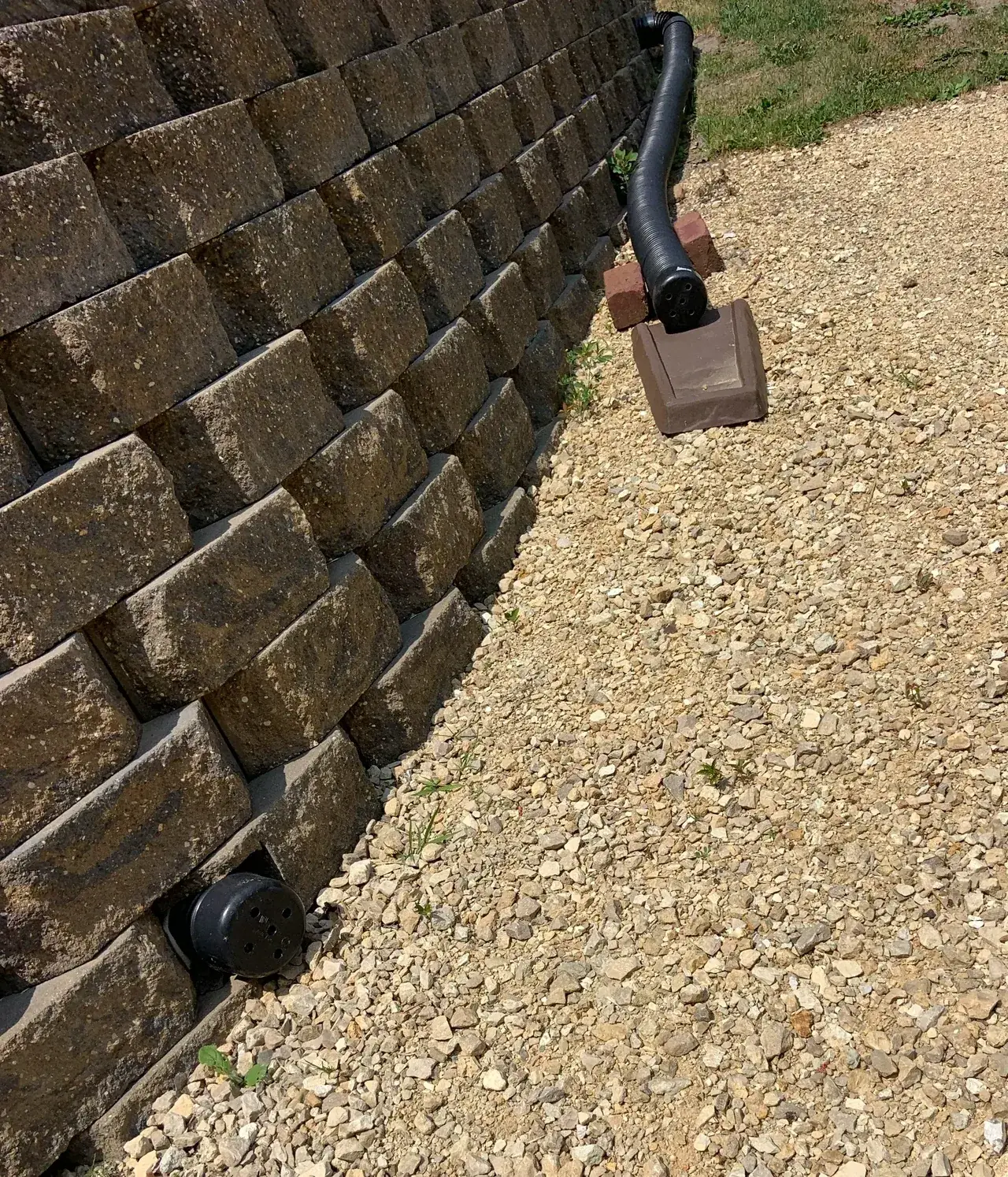
Our Ottawa property-drainage guide helps organise questions about water collection and discharge when moisture issues also need assessment.
The Old Ottawa South resident guide provides historical housing context and practical upkeep questions without assigning a condition to an individual home.
For later suburban construction, the Nepean resident guide distinguishes housing eras and communities before you investigate the actual property.
Frequently asked questions
Which insulation has the best value for an Ottawa home?
That depends on the location, existing condition and complete installed work. No matched project quotes or measured energy-savings comparisons are presented here.
Can insulation fix a wet basement?
Do not assume it can. Investigate and address the source of moisture before concealing the wall.
Is Quik-Therm an Ottawa installer?
This guide identifies it as a manufacturer and supply route. Local installation and project suitability require separate confirmation.
Is Ottawa stock confirmed for every insulation product?
No. Published supply and service routes were checked, but the exact mineral-wool stock, Quik-Therm delivery and project-specific installer availability require supplier confirmation.
Explore the places in this guide
Explore more Homes & vehicles guides from Ottawa Reviews.
How we research and correct our guides · Suggest a correction


.jpg)
.jpg#Licensing)