
Choose a smaller community within Orléans
Orléans is a large eastern district, not one neighbourhood with a single commute or atmosphere. The older St. Joseph corridor, river-side communities north of Highway 174, established areas such as Queenswood Heights and Fallingbrook, and newer development farther south offer different daily routines. A listing that simply says “Orléans” leaves the most useful location question unanswered.
The district has a strong Francophone history alongside English-language services and a wider mix of residents. That history is visible in local institutions and cultural programming, but it should not be used to assume the language, school preference or lifestyle of every household. Choose the services and community connections that suit your own needs.
Start by plotting work, school, groceries and recreation from the actual address. The position relative to Highway 174, St. Joseph Boulevard, Innes Road and the main north–south routes makes a substantial difference. A home close to a park may still have a longer route to a supermarket or station. Test the trips you repeat most often before deciding that two Orléans listings offer the same convenience.
Housing ages and what different eras require
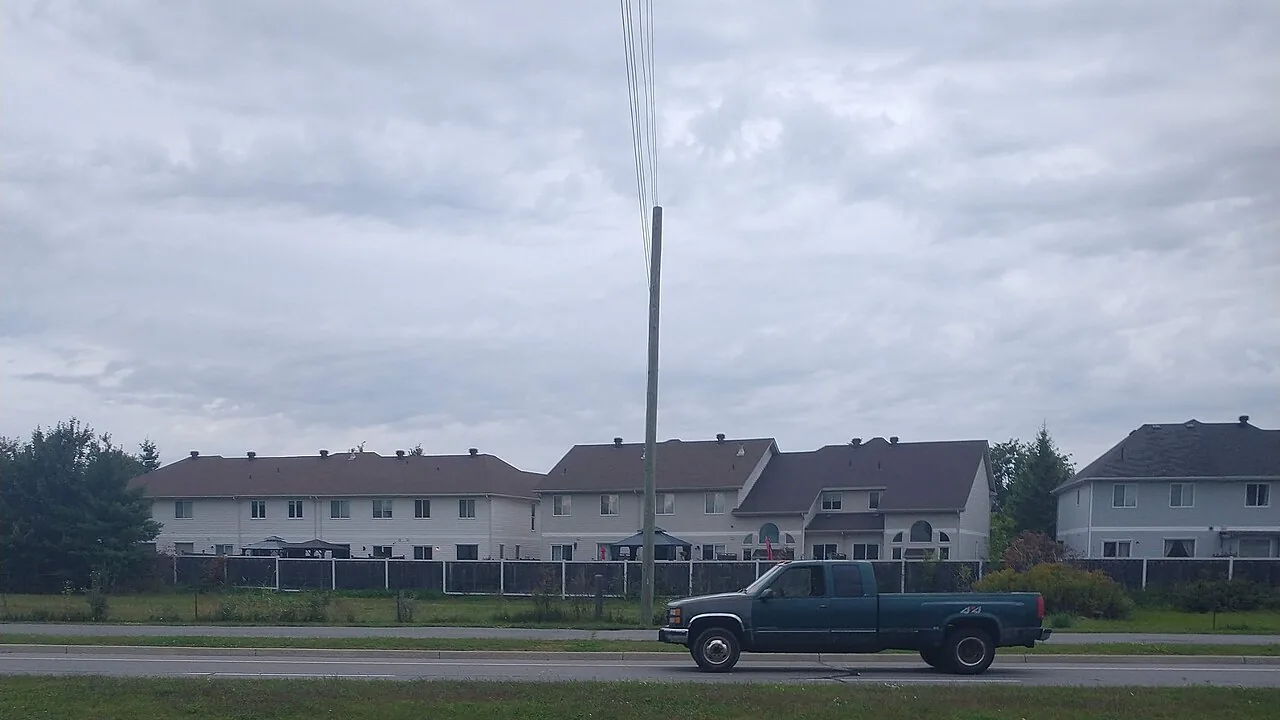
Orléans’ development history traces major suburban growth from the late 1960s and 1970s, followed by expansion in the 1980s and 1990s and newer communities afterward. Older village buildings remain part of the setting. As a broad guide, a 1970s home is now around fifty years old, a 1990s house roughly thirty, and a recent subdivision may contain much newer stock. Verify each property’s date.
In an established home, ask when the roof, windows, heating equipment and major systems were last renewed. Look at grading, basement water history, driveway condition and the maintenance of decks or exterior steps. Mature trees can provide shade and privacy but also require inspection where branches, roots or drainage interact with the property.
For a newer house or townhouse, check completion and permit records, grading, ventilation, storage and what remains unfinished in the surrounding development. Establish whether a road or shared area is public, privately maintained or part of a condominium arrangement. Newer construction may reduce some immediate replacement needs, but it does not eliminate the need to understand operating costs, warranty documents and who resolves outstanding work.
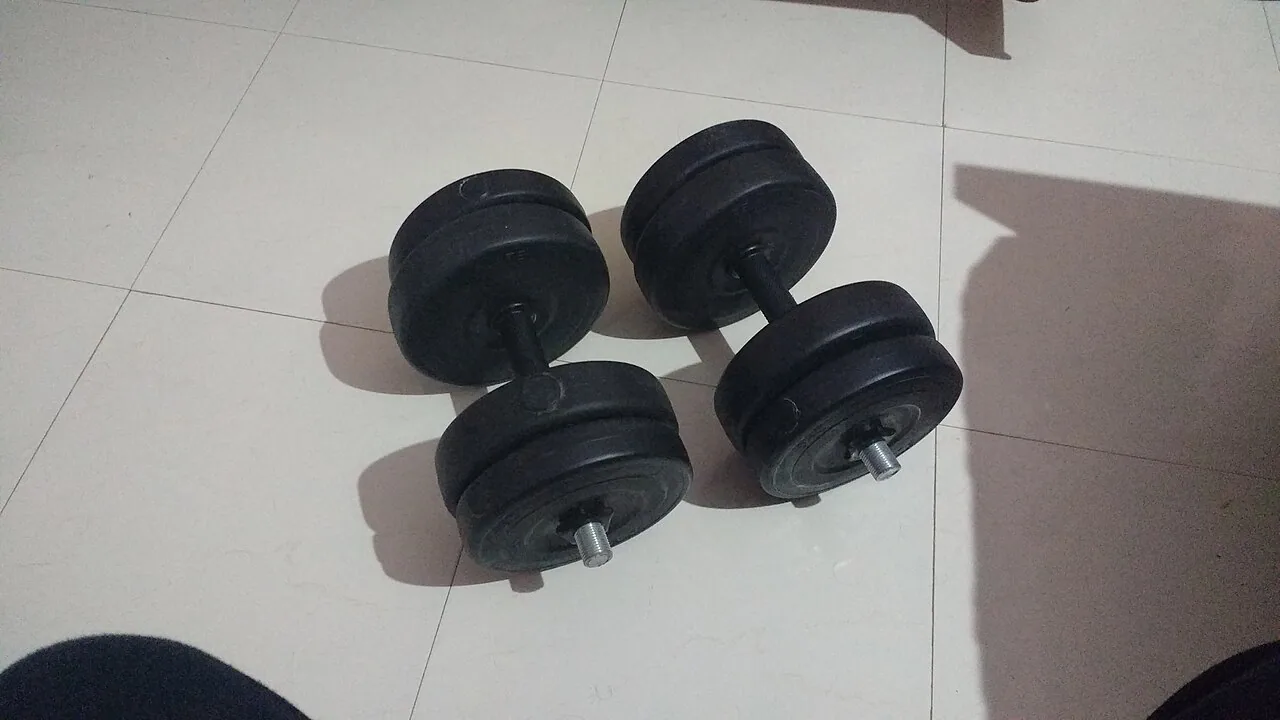
When planning an exercise room, the Ottawa home gym equipment guide compares shopping routes, delivery and setup questions.
Property tax and a realistic household budget
There is no single Orléans property-tax bill. Assessed value, property class and service settings determine the amount. The City’s 2026 tax estimator is useful alongside the actual bill for the address. Do not treat today’s listing price as the assessment, and do not assume that two similar-looking houses have identical tax histories.
The examples below use residential taxable property with full urban transit and fire service, curbside garbage and no sewer surcharge, checked on 9 September 2026. They are illustrations at selected assessed values, not an Orléans average. Property-specific charges and separately billed utilities are excluded; condo/bin collection or other settings can differ. Monthly amounts divide the estimated annual figure by twelve.
Compare housing and transportation together. A larger home farther from the household’s destinations may require more driving, while an older home may need major work sooner. Obtain quotes for known repair needs and compare utility information where available. Keep taxes, condo or shared fees, routine upkeep and major replacements as separate budget lines. This makes it easier to see which costs are predictable and which require further investigation.
| 2026 assessed value | Estimated annual tax | Monthly budget equivalent |
|---|---|---|
| $300,000 | $4,083.43 | $340.29 |
| $400,000 | $5,355.58 | $446.30 |
| $600,000 | $7,899.86 | $658.32 |
Maintenance, winter and the immediate surroundings
In established communities, inspect driveway surfaces, trees, drainage, fences and the approach to the front door. In newer areas, also check ongoing construction, unfinished landscaping and the route pedestrians actually use. Do not assume that a path shown on a development plan is open, winter-maintained or suitable for the journey you need today.
Ask who handles snow clearing and repairs on shared lanes, private roads and townhouse common areas. Review the arrangement and funding rather than relying on appearance. For a rental, make the division of responsibilities clear before moving. A driveway that fits two cars in summer may be much less convenient once space is needed for snow storage.
The City’s snow-clearing priorities depend on road and sidewalk classification. Inspect the route to the bus stop and school, especially where it involves a wide road crossing or a path between streets. Homes near ravines, creeks or the river should be assessed using their own records and site conditions. A district-wide label cannot establish drainage performance or insurance needs for a particular property.
Our winter seat-cover guide helps compare materials for a vehicle that is part of your daily routine.
Grocery shopping along St. Joseph and Innes
Farm Boy at 3035 St. Joseph Boulevard is a useful food-shopping reference near Place d’Orléans. Real Canadian Superstore at 4270 Innes Road anchors a different shopping corridor. These locations illustrate why the exact community matters: residents north of Highway 174 and those farther south may organize errands around different roads and crossings.
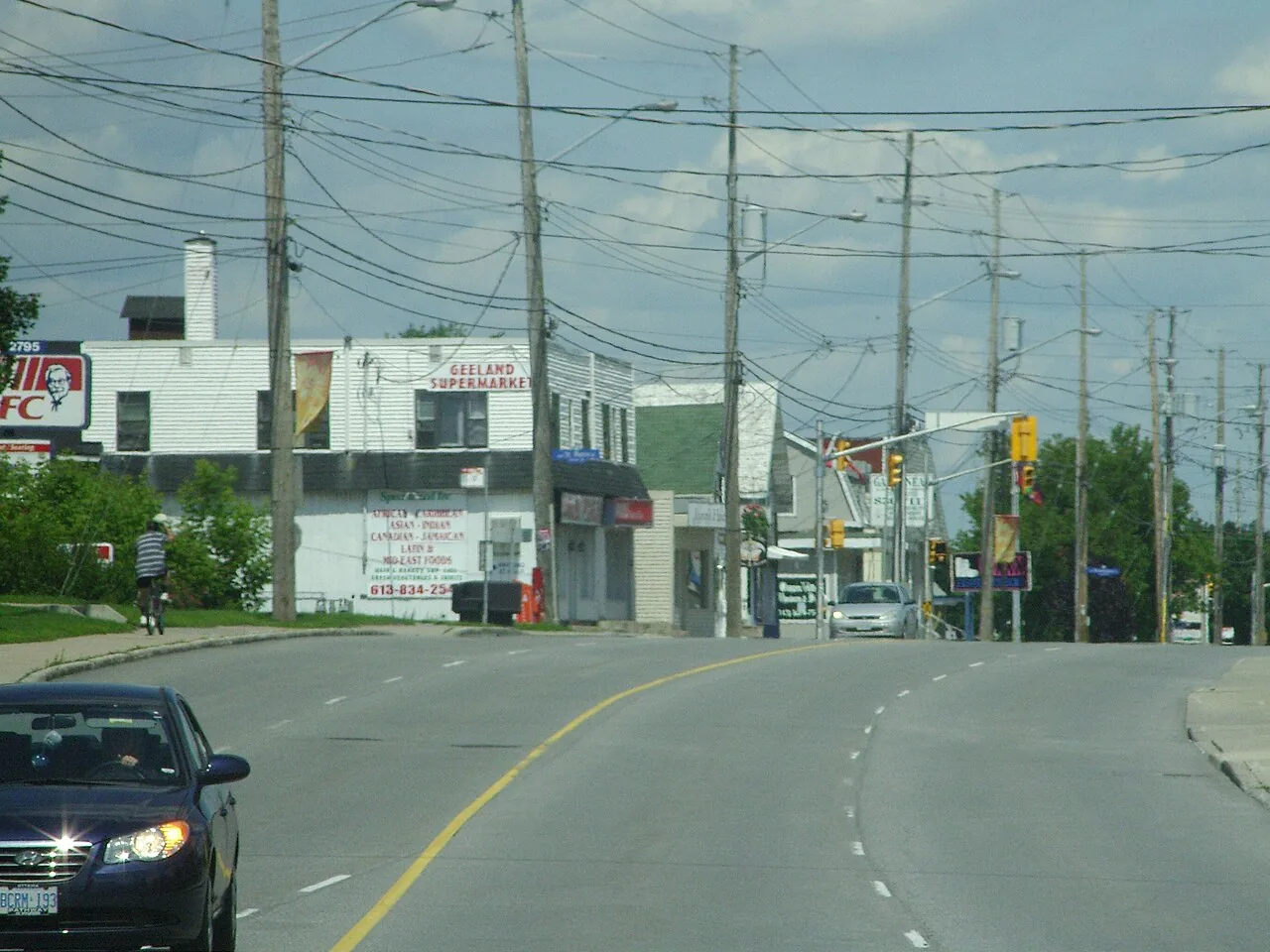
St. Joseph Boulevard combines older commercial areas and local services, while Innes Road has substantial larger-format shopping. Decide whether you want frequent small trips or one larger weekly shop. Compare the items you actually buy, the route and current opening hours. Neither a large shopping centre nor an attractive main street guarantees that every part of the grocery routine will be convenient without a vehicle.
If you walk or take transit, test the route through the shopping area itself. Store entrances, parking lots and the location of the return stop can add distance. If you use delivery, verify the service for the postal code and the receiving arrangement at home. Add pharmacy access, parcel pickup and household supplies to the same map so the plan reflects ordinary life rather than only food shopping.
Transportation and the east rail extension
Highway 174 is a major travel corridor, but commute time depends on the address, destination and time of day. Trips within Orléans can also require significant north–south travel. Use OC Transpo’s current trip planner for the full journey, including local connections, walking and the return trip. Test the commute on a normal weekday if it will shape your decision.
The official O-Train extension information checked for this guide presents the east extension toward Trim as a 2026 project. A target year or a construction-completion milestone is not enough to establish passenger service. Confirm an operating timetable and any opening announcement before treating a new station as available. Until then, judge the property using the services shown for your actual travel date.
For a household sharing one car, rehearse the school and errands routine while the car is away. Consider how a missed connection or a late activity affects pickup. Cyclists and pedestrians should inspect crossings of major roads and the last stretch to a station or workplace. A riverside trail can be excellent recreation without being a complete, year-round route for every commute.
Compare the Centretown resident guide if your search also includes a central address with a different commuting and grocery routine.
English and French schools: confirm the actual placement
Convent Glen Elementary School at 1708 Grey Nuns Drive and Cairine Wilson Secondary School at 975 Orléans Boulevard are examples in the northern part of the district. École secondaire publique Gisèle-Lalonde at 500 Millennium Boulevard provides a French-public reference farther east. These locations help orient your search; they do not establish which school a child from any given address can attend.
Use the OCDSB locator for English-public placement, selecting the address, grade, program and school year. For French public, French Catholic or English Catholic education, follow the appropriate board’s process through the City’s school-enrolment guide. French immersion and a French-language school are distinct options with different admission and program arrangements.
New development and changing enrolment can complicate assumptions about the closest school. Ask the board about a new street that is missing from a locator and confirm any planned change relevant to later years. Check school transportation, childcare and before- or after-school availability separately. Then walk or drive the route at the time your family would actually use it, including winter crossings and pickup access.
Recreation, arts and nearby outdoor space
Shenkman Arts Centre at 245 Centrum Boulevard is a local cultural anchor. Ray Friel Recreation Complex at 1585 Tenth Line Road and Bob MacQuarrie Recreation Complex at 1490 Youville Drive provide different recreation reference points. The City’s facility directory is the place to check current activities, schedules and closures before building a weekly routine around a class or swim.
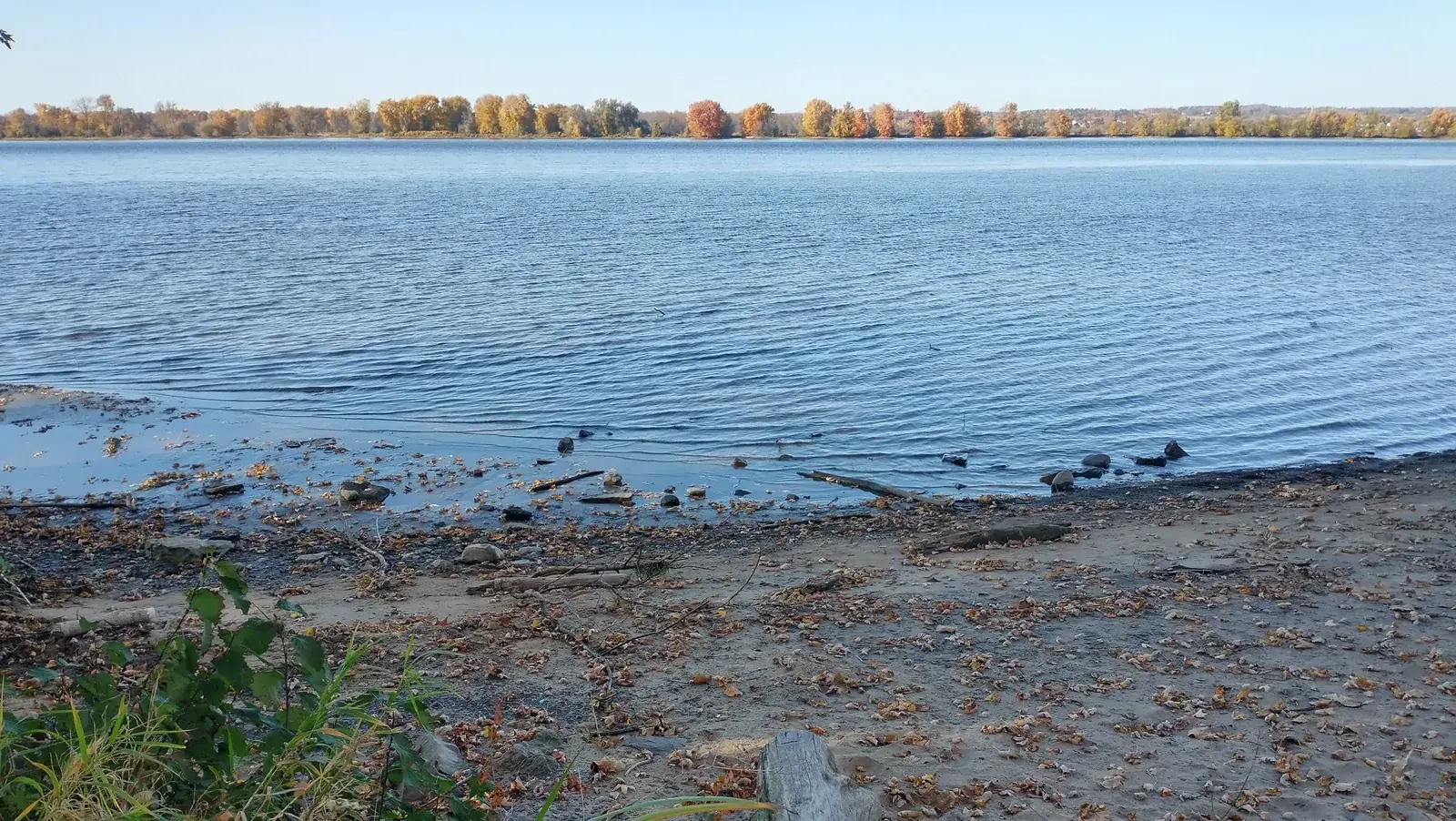
Petrie Island and the Ottawa River provide larger outdoor destinations, while the Bilberry Creek setting offers another local landscape to explore. Ottawa Tourism’s Orléans overview introduces the broader mix of arts, food and outdoor activities. These places are not equally close to every home. Identify a small park or walking loop near your address for everyday use and treat a longer river trip as a separate outing.
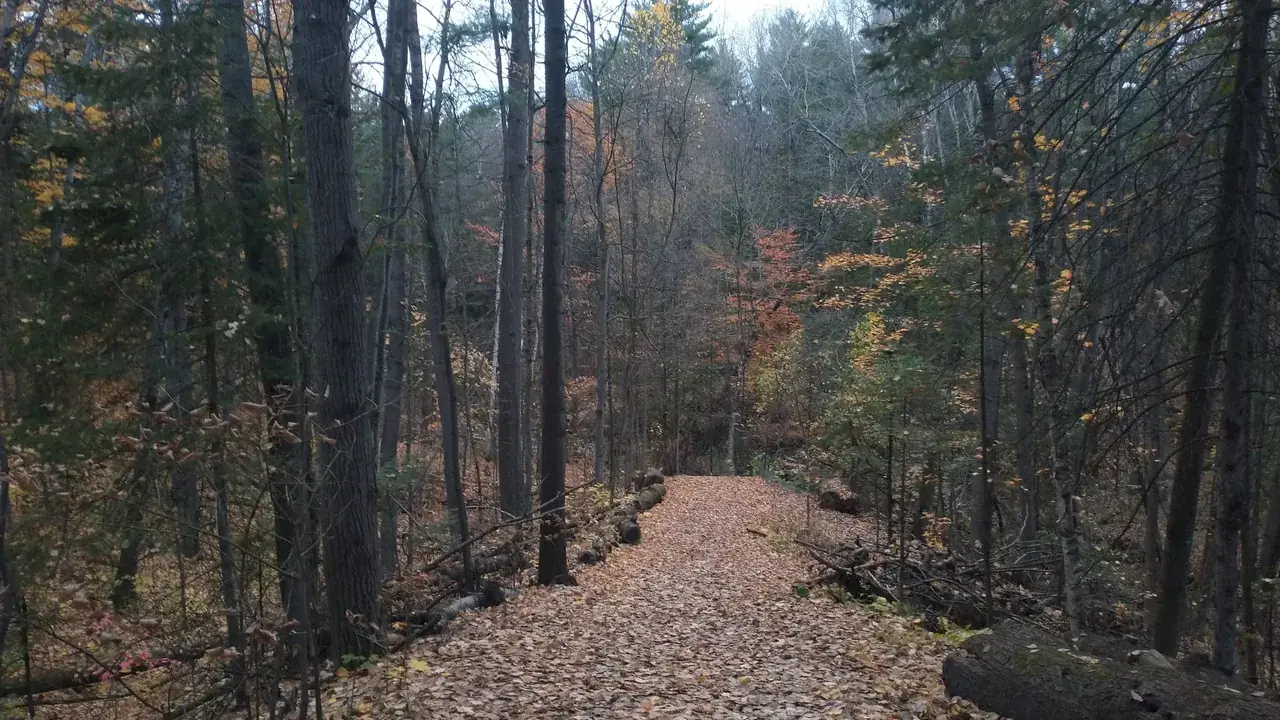
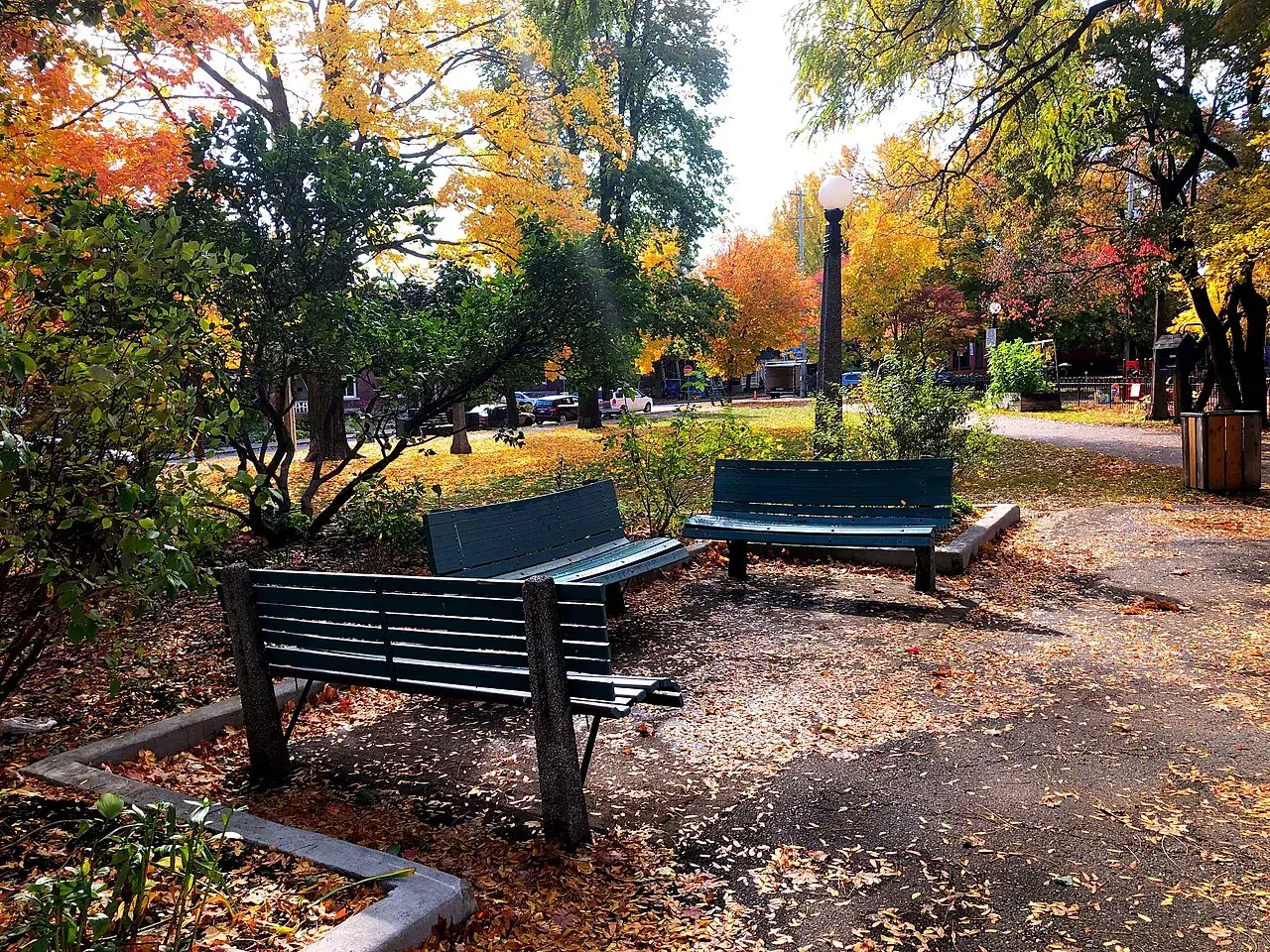
At beaches and natural areas, check current water-quality advice, seasonal operations, path conditions and closures. A trail through a ravine may be less convenient with a stroller or mobility aid than a map suggests. Choose the route and facilities that match your needs, not just the most photogenic destination. Some photographs here are older views, with their capture year shown so they are not mistaken for current construction or business conditions.
The older-parent day-out guide offers a planning framework for a manageable cultural outing with visiting family.
A practical first-week plan
Before moving, confirm the complete housing cost, maintenance contact, school arrangement if relevant and current commute. Choose one primary grocery route and a backup, then locate a pharmacy, parcel pickup and nearby recreation option. If the home is in a new development, verify the address with service providers and clarify access instructions for deliveries and movers.
After arrival, repeat the important journeys during ordinary busy periods and adjust the routine. Join a recurring activity only after checking availability and the travel involved. Orléans can support a strong local life, but the value comes from choosing the right smaller community and using its services realistically. A broad promise of “close to everything” is less useful than knowing how your Tuesday evening will work.
For a family member considering a retirement move, our senior-living adviser comparison explains what help is offered and what payment questions to ask.
Frequently asked questions about Orléans
Is Orléans one neighbourhood?
It is a large district containing many communities. St. Joseph, Convent Glen, Queenswood Heights, Fallingbrook and newer areas farther south have different housing and travel patterns. Compare the exact address with your regular destinations rather than relying on the district name.
How old are homes in Orléans?
Major suburban growth began in the late 1960s and 1970s, with further expansion in later decades and newer subdivisions afterward. A 1970s home is now roughly fifty years old. Confirm the specific construction date and major replacements before estimating upkeep.
What should I budget for property tax?
Start with the current property bill and assessment. Our 2026 urban curbside illustration is $5,355.58 annually at a $400,000 assessment. It is not an Orléans average or a calculation from sale price. Other service settings and local charges can change the amount.
Does the east O-Train extension already solve my commute?
Only an operating service and timetable can answer that. The official material checked presents the extension toward Trim as a 2026 project. Verify current passenger service and your local connection before choosing a property based on a future or newly opening station.
Are French-language schools available to every family automatically?
No automatic admission should be assumed. French public and French Catholic boards have their own criteria and placement processes. French immersion in an English-language board is a different option. Confirm the child’s situation, program and address with the relevant board.
Can I manage everyday errands without two cars?
It depends on the specific community, work locations and school schedule. Test groceries, pickup and evening activities while one vehicle is unavailable. A workable one-car routine needs current transit or comfortable walking connections, not just several stores within a broad driving radius.
Explore more local guides from Ottawa Reviews.
How we research and correct our guides · Suggest a correction



.jpg)