The useful starting point
Sheepskin is our first pick for a soft wool seating surface. If wet clothing, workwear or frequent cleaning matters more, compare the other four materials before choosing a cover approved for your exact vehicle.
Compare the five winter seat-cover types
An Ottawa winter commute, a trip home in damp ski clothing and a day in a work truck put different demands on a seat cover. Decide which problem you want to solve first: the feel of the seat, exposure to moisture, everyday wear or cleanup. A material that suits one of those jobs may not be the best match for another.
Use these categories to build a shortlist. The product examples illustrate construction and care requirements; they do not mean every cover made from the same material performs identically.
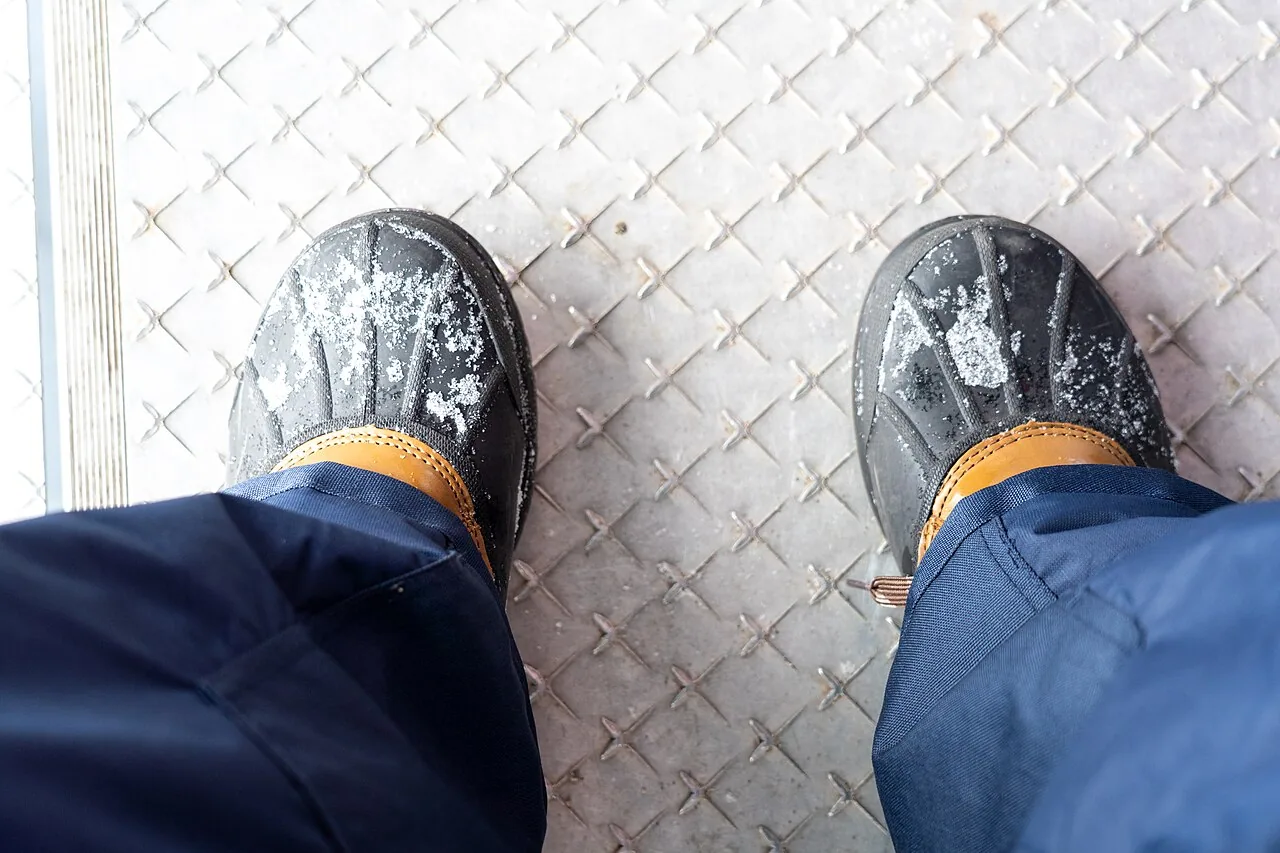
Use our Ottawa winter-shopping guide for boots, layers and accessories that address the time spent outside the vehicle.
| Type | Priority it suits | Main detail to check |
|---|---|---|
| 1. Sheepskin | A soft wool seating surface | Coverage, care instructions and vehicle approval |
| 2. Neoprene | Moisture protection for active outings | Backing, seams, openings and drying instructions |
| 3. Heavy-duty polyester | Workwear and frequent use | Fabric construction, fastening and removal for cleaning |
| 4. Saddle-blanket fabric | A woven cloth surface for everyday driving | Fibre composition, care and exact seat pattern |
| 5. Synthetic leather | A leather-like finish with surface cleanup in mind | Approved cleaners, surface finish and seat-system compatibility |
On smaller screens, scroll the table sideways.
1. Sheepskin seat covers: our first pick for wool comfort
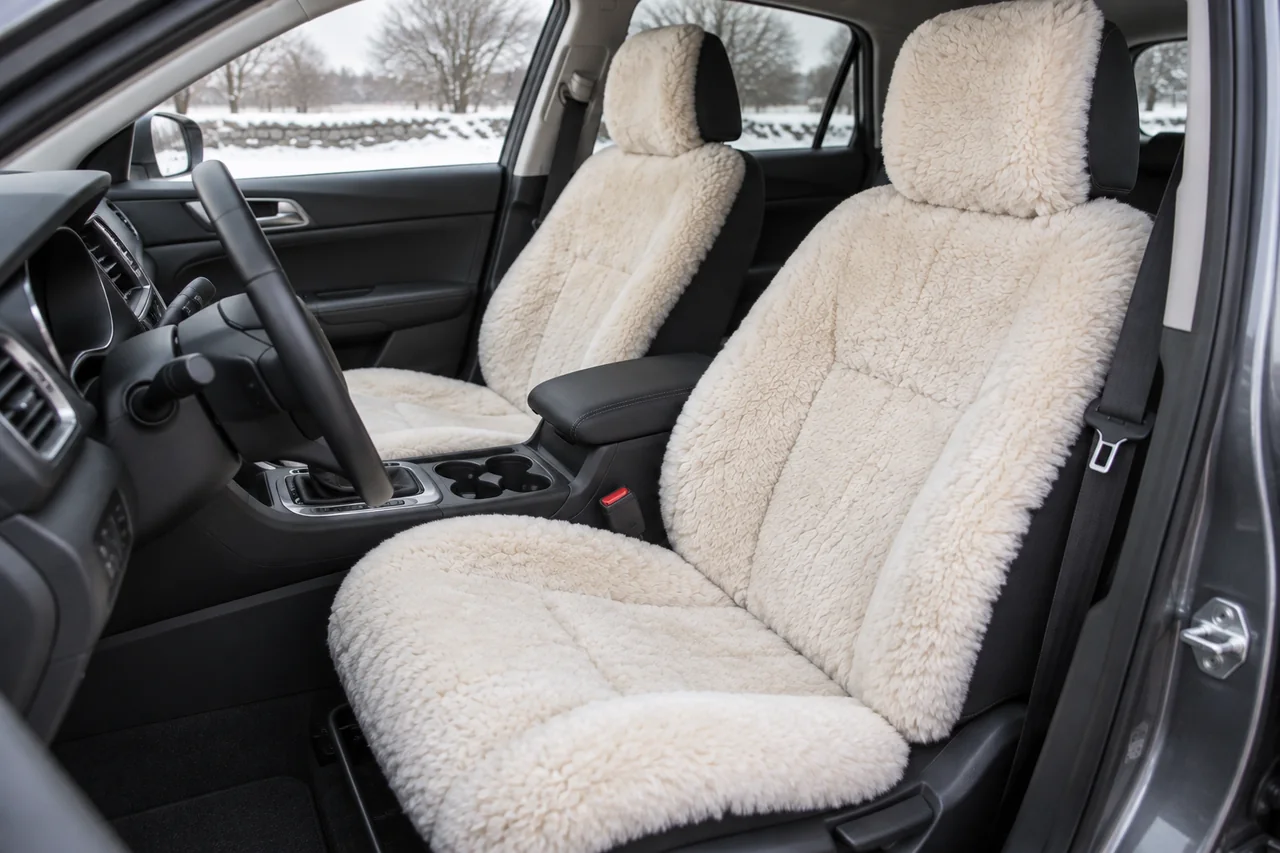
Sheepskin comes first in this guide for Ottawa drivers who want a soft wool surface for daily winter journeys. World of Sheepskin is a Winnipeg-based business with an online shop, making it an option to investigate for an Ottawa order rather than a local showroom visit.
Its sheepskin seat cover collection lists the Sheepskin Seat Cover and Bumwarmer Seat Cover. The retailer describes its natural sheepskin as breathable and suitable for year-round comfort. Compare the two products for coverage, dimensions and fastening before choosing; their names alone do not establish that they suit the same seats.
Choose this type when the feel of the seating surface is your priority. Before ordering, confirm care instructions, Ottawa delivery and compatibility with your vehicle. Treat the wool-comfort description as a supplier claim, not proof of a temperature advantage over every alternative. If damp clothing is routine, ask specifically how the cover should be cleaned and dried.
Pros
- A wool seating surface suits buyers who prefer that feel.
- World of Sheepskin provides a dedicated seat-cover collection.
Cons
- Care and drying instructions need attention.
- Warmth preference does not establish universal vehicle compatibility.
2. Neoprene seat covers: consider them for damp winter outings
Neoprene is worth comparing when the return trip from skating, skiing or outdoor work regularly involves damp clothing. Fia’s Neo construction is one example: the manufacturer describes neoprene combined with a water-resistant polyester outer layer, padding and hand-wash care.
Ask about the whole cover, including seams, belt openings and exposed upholstery. A waterproof material description does not establish that every part of the installed seat is sealed against moisture. Check the required drying method before choosing it for daily use.
Best fit: a driver prioritizing moisture protection over a wool surface. Confirm the actual seat pattern and permitted application; the example is a truck-cover range, so it should not be assumed to fit a car or every SUV.
Check the Ottawa seasonal guide before planning skating or other weather-dependent outings.
Pros
- A category worth comparing for damp clothing and outdoor use.
- Fia publishes construction details for its Neo range.
Cons
- Seams and openings affect protection.
- Material alone does not make the entire seat waterproof.
3. Heavy-duty polyester seat covers: a work-vehicle option
For an Ottawa work vehicle, start by comparing covers designed around frequent use and removal for cleaning. Fia’s Seat Protector range is an example marketed for commercial use. Its published features include double stitching, a water-resistant polyester layer with PVC backing, and hand-wash, drip-dry care.
Check the exact fabric specification and fastening arrangement for the part you are buying. Workwear, tools and repeated entry and exit create a different buying brief from a mainly office-based commute. Ask how to remove the cover without disturbing wiring or seat controls.
Best fit: a driver who puts serviceability and cleaning ahead of a plush finish. A commercial-use label is not a measured lifespan or a guarantee against every stain, so compare the warranty and care instructions for the actual product.
Pros
- A practical category to assess for frequent work-vehicle use.
- Fit and fastening can be compared against the actual seat.
Cons
- Fabric weight does not prove a particular wear lifespan.
- Cleaning and removal effort vary by cover.
4. Saddle-blanket seat covers: a woven fabric alternative
A saddle-blanket cover offers a woven fabric style for drivers who prefer cloth to a smooth leather-like finish. Fia’s Wrangler Original is one example, with a rewoven textile face, polyester trim and instructions to hand wash and drip dry.
Do not assume that the word blanket means wool or a particular level of insulation. Check the stated fibre composition, fabric feel and backing. For winter errands around Ottawa, consider whether you can remove and dry the cover within your normal cleaning routine.
Best fit: someone choosing a textured everyday surface and a specific seat pattern. Compare fastening points, access to armrests and coverage of the seat edges. The material name does not establish water resistance or compatibility with heated seats.
Pros
- A woven-textile option for buyers who prefer that finish.
- Offers a different feel from coated or wool surfaces.
Cons
- Spills and debris still require cleaning.
- The material category does not establish water resistance.
5. Synthetic-leather seat covers: compare the finish and cleanup
Synthetic leather, also called leatherette, is an option when you want a leather-like appearance. Fia’s Leatherlite specifications describe a padded cover with a water-repellent face fabric. Those details make it worth comparing when surface cleanup matters more to you than a wool or woven texture.
Ask which cleaners are permitted and how to deal with marks from winter clothing. A water-repellent face does not make the complete cover waterproof, and a smooth-looking photograph does not tell you how the finish will feel on a cold morning.
Best fit: a driver prioritizing the interior finish and a defined care routine. Confirm heating and ventilation compatibility with the vehicle manufacturer before buying. Choose sheepskin instead if a wool surface is the feature you actually want, subject to the same fit checks.
Pros
- A coated finish may suit buyers prioritizing surface cleanup.
- Fia provides product-specific construction information.
Cons
- Seams and openings remain relevant to spills.
- Seat heating, sensors and airbags need exact compatibility confirmation.
Check vehicle compatibility before ordering in Ottawa
Record the vehicle’s year, make, model, trim and seat layout, including head restraints, armrests and split benches. Check the owner’s manual and obtain confirmation for the exact cover. Ask explicitly about seat-mounted airbags, occupant sensors, heating and ventilation; a universal-fit label does not answer those questions.
For example, Ford’s side-airbag guidance calls for covers designed for the relevant airbag-equipped seats and fitting by an authorized dealer. Use your own vehicle’s manual as the controlling reference. Do not modify a cover or route fastenings around seat wiring to force a fit.
Compare the total Ottawa-delivered cost, the number of seats covered, installation and return freight. Ask whether the return policy allows a fit check, then keep the packaging and written compatibility response. A lower price is less useful if the wrong cover cannot be returned.
For ongoing winter use, follow the product’s cleaning and drying instructions. Inspect fastenings after refitting and keep seat controls and belt buckles accessible. Decide on the material only after confirming that the cover is suitable for the seat it will actually be used on.
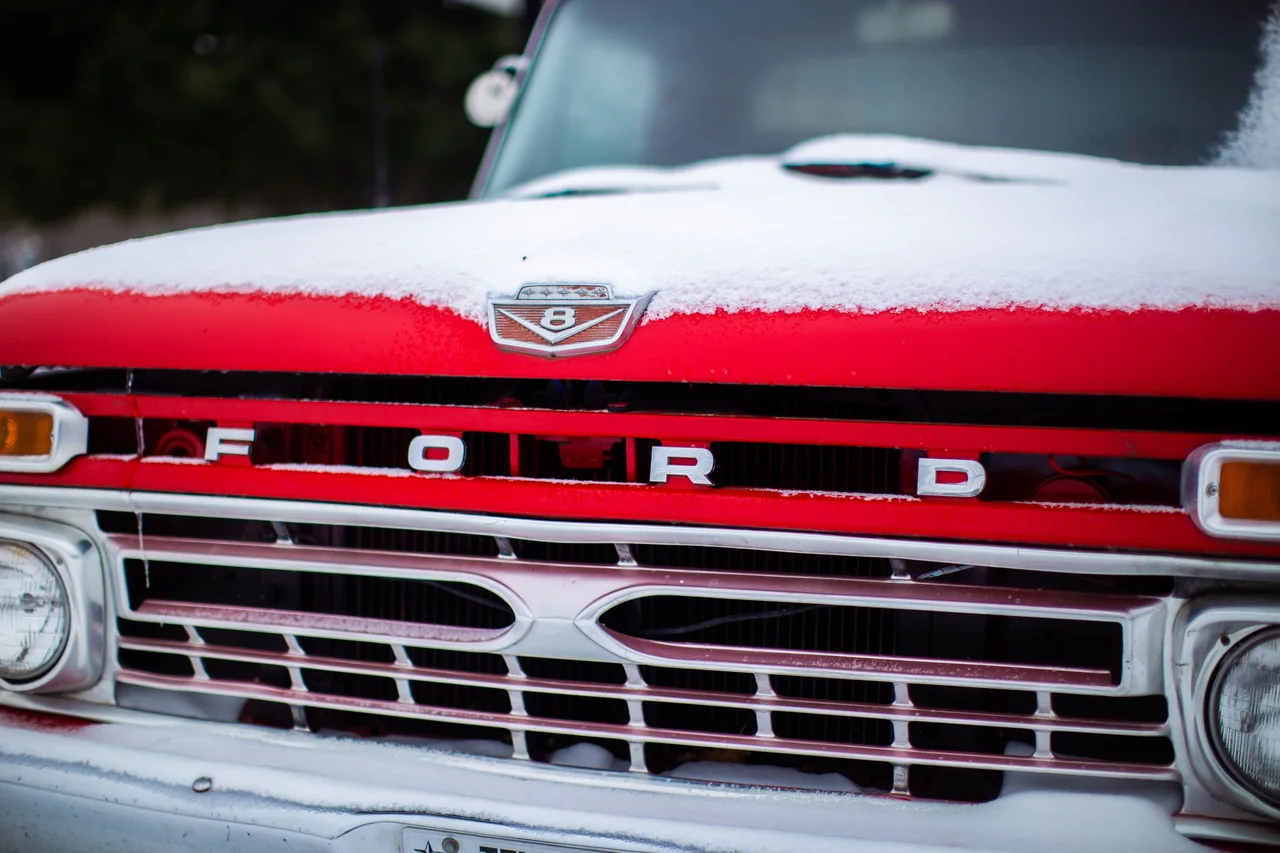
For accessories outside the cabin, compare truck grille-protection options using the exact vehicle instructions.
Frequently asked questions
Does the review include current stock or a binding quote?
No. Confirm availability, the final price and service terms for the exact order before committing.
Were these options tested side by side?
No comparative hands-on test was performed. The review method above explains the information and limits used.
Explore the places in this guide
Explore more Homes & vehicles guides from Ottawa Reviews.
How we research and correct our guides · Suggest a correction