The useful starting point
A short walk from the car, a long wait for a bus and an active afternoon create different winter clothing needs.
Buy for the conditions you actually encounter
A short walk from the car, a long wait for a bus and an active afternoon create different winter clothing needs. Start by identifying what fails in your current routine: wet feet, cold hands, awkward layers or footwear that no longer fits comfortably.
These five categories provide a practical shopping order, not a tested temperature ranking. World of Sheepskin is a Winnipeg manufacturer and online retailer serving Canadian buyers. Its sheepskin products are relevant examples in selected categories, not proof that every item is waterproof or appropriate for every outdoor activity.
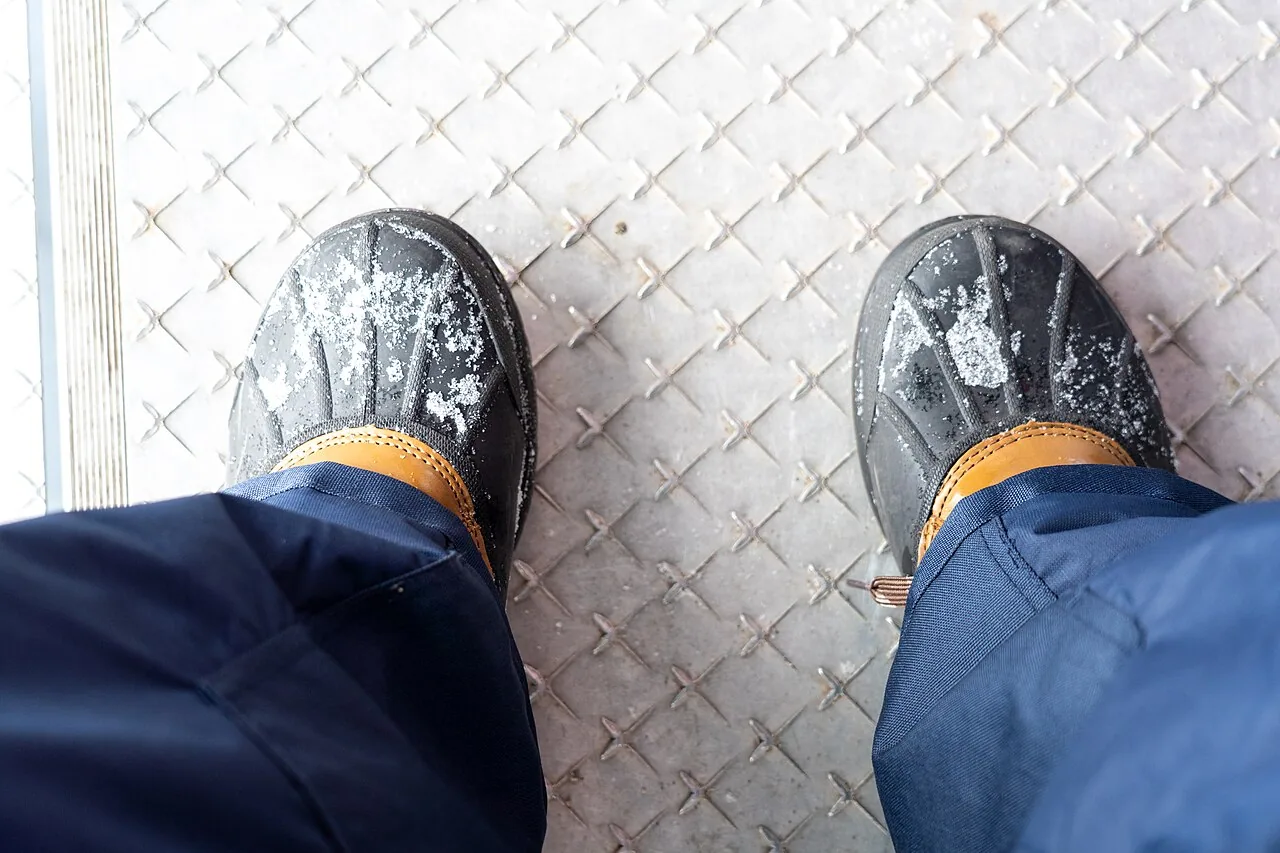
1. Winter boots — fit, surface and weather protection
Choose boots around the walking and exposure you expect. Check the exact product's weather-protection claims and sole design rather than assuming that insulation or a natural material establishes waterproofing or ice traction.
Try them with the socks and any permitted insoles you intend to use. Check toe space, heel movement and fastening. Local fitting can be useful when size is uncertain, while online buying needs a clear indoor trial and return plan. A slipper and an outdoor boot are not interchangeable.
Pros
- Correctly matched footwear addresses the surface and weather as well as warmth.
- A careful fitting can identify problems before an outdoor outing.
Cons
- Warmth claims do not establish traction or water resistance.
- The wrong volume can make an otherwise suitable boot uncomfortable.
2. Mittens and gloves — balance coverage with useful hand movement
Handwear should work with the tasks you cannot avoid: keys, a phone, a stroller or carrying shopping. World of Sheepskin's outerwear range includes sheepskin mittens and gloves for buyers considering that material.
Check hand measurements, cuff overlap with the coat and the care instructions. Decide when dexterity matters and whether the handwear will repeatedly get wet. A material preference should follow those needs rather than replace them.
Pros
- Different styles let buyers prioritize coverage or dexterity.
- Cuff and coat fit can be checked together.
Cons
- Bulky designs may make small tasks harder.
- Care needs and wet-weather suitability vary by product.
3. Hats and ear coverage — a small item with fit implications
Headwear is worth considering when the rest of an outfit works but exposure around the head or ears remains uncomfortable. Compare coverage, fastening and how the item works with a hood.
Try it through the normal range of head movement and check that it does not interfere with vision or hearing needed for the activity. For sports requiring protective equipment, follow the equipment manufacturer's fitting guidance rather than adding bulky layers underneath by assumption.
Pros
- Easy to adapt to different outings and outer layers.
- A smaller purchase may address a gap without replacing a coat.
Cons
- Poor fit can interfere with comfort or movement.
- A warm hat is not a substitute for required protective equipment.
4. Adjustable layers — for moving between outdoors and indoors
Layers can suit an Ottawa day that alternates between outdoor travel, shops and heated workplaces. Compare how easily the outfit can be adjusted and where removed items will be carried.
Check the garment's intended use, fit over the inner layers and care requirements. A heavy outer garment may be inconvenient for an active trip or a long indoor stop. Think about the complete routine before buying the thickest option.
Pros
- An outfit can be adjusted as the activity and setting change.
- Existing garments may already supply part of the system.
Cons
- Too many bulky layers can restrict movement.
- Removed layers need a practical place to go.
5. Wool insoles — an option only when the footwear still fits
World of Sheepskin's wool insoles are an example of an accessory to consider for suitable footwear. Compare the actual dimensions and available room rather than assuming an added layer will improve every shoe.
Follow both the footwear and insole instructions. Reassess toe space and fastening after adding anything inside the boot. This is a comfort accessory discussion, not a treatment recommendation for foot problems or a claim of improved winter traction.
Pros
- May refresh a suitable pair without replacing the whole item.
- Easy to compare as a separate accessory purchase.
Cons
- Added thickness can make footwear too tight.
- It does not change the outsole or establish waterproofing.
Check the care and return route before using items outdoors
Ask which cleaning methods are suitable and whether any treatment affects the product's warranty. Read return conditions before removing labels, trimming accessories or taking footwear outdoors. For an Ottawa order from a distant retailer, include return freight and delivery timing in the comparison.
Spend first on the missing function rather than replacing every item at once. Plan a short, easy outing before relying on unfamiliar gear for a longer day. Conditions still determine the sensible route and duration; clothing does not make every winter activity appropriate.
Continue planning in Ottawa
The Ottawa seasonal-planning guide explains why winter activities need a flexible plan as conditions change.
The Westboro neighbourhood guide can help combine a local fitting with grocery errands and current transport options.
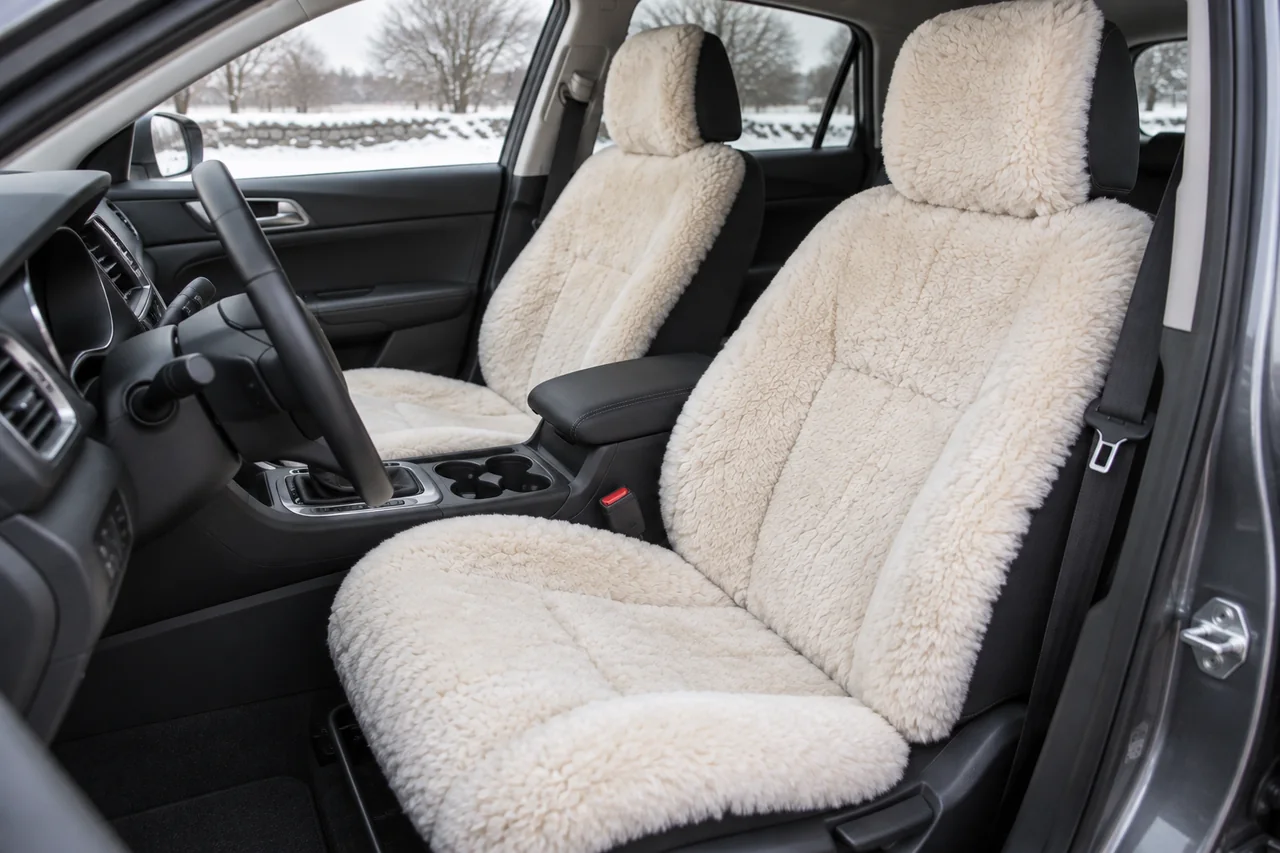
For the vehicle portion of a winter routine, compare winter seat-cover types separately from outdoor clothing.
Frequently asked questions
Is sheepskin automatically waterproof?
No. Check the exact product's construction, weather claims and care instructions.
Does World of Sheepskin have an Ottawa store?
No Ottawa store was verified. The business is included as a Winnipeg-based online purchasing option.
Should I add wool insoles to tight boots?
Do not assume an added layer will fit. Check the footwear and insole instructions and reassess the available space.
Explore more Travel & shopping guides from Ottawa Reviews.
How we research and correct our guides · Suggest a correction