
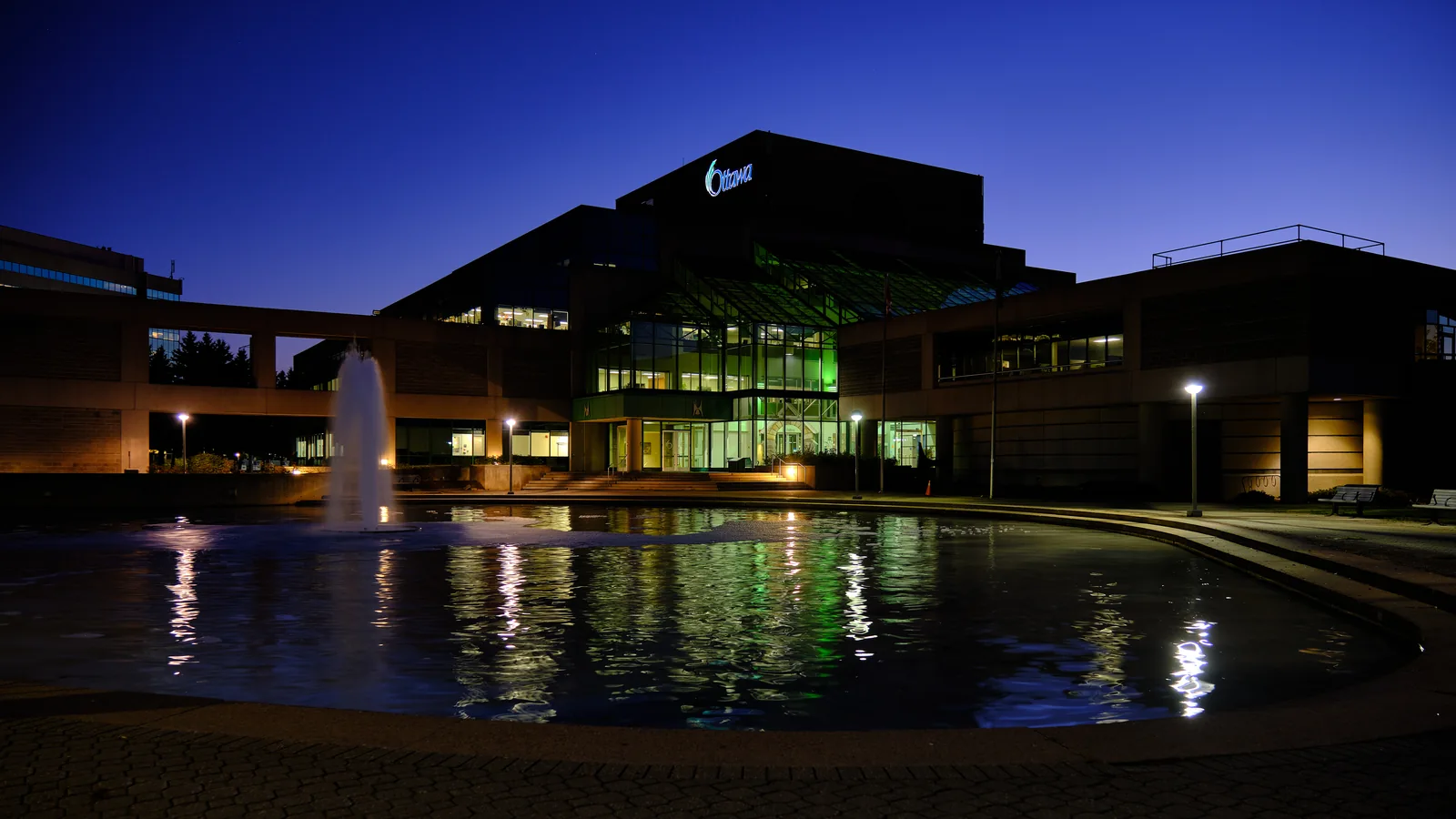
First narrow down what “Nepean” means
Nepean is a former municipality and a broad place-name, not one small walkable neighbourhood. A listing in Centrepointe, Bells Corners, Craig Henry or Barrhaven can have a very different commute and shopping pattern. Nepean’s historical overview explains the changing boundaries and its incorporation into Ottawa in 2001. For a new resident, the immediate task is to choose a smaller community within that larger geography.
Centrepointe and the College Square/Algonquin area can suit routines focused on nearby institutions and services. Merivale-area addresses relate to a substantial commercial corridor. Bells Corners has its own shopping and western connections, while Barrhaven lies farther south with separate employment, school and retail patterns. Do not treat a service advertised “in Nepean” as close without checking the street address.
Compare candidate homes against the places you visit repeatedly: work, school, groceries and a recreation facility. Drive, walk or take transit along the actual route at the relevant time. A quiet residential crescent may be appealing but still involve a long walking route to a nearby-looking shopping plaza. A home close to a major road may save distance while requiring less comfortable crossings.
Housing ages vary sharply between communities
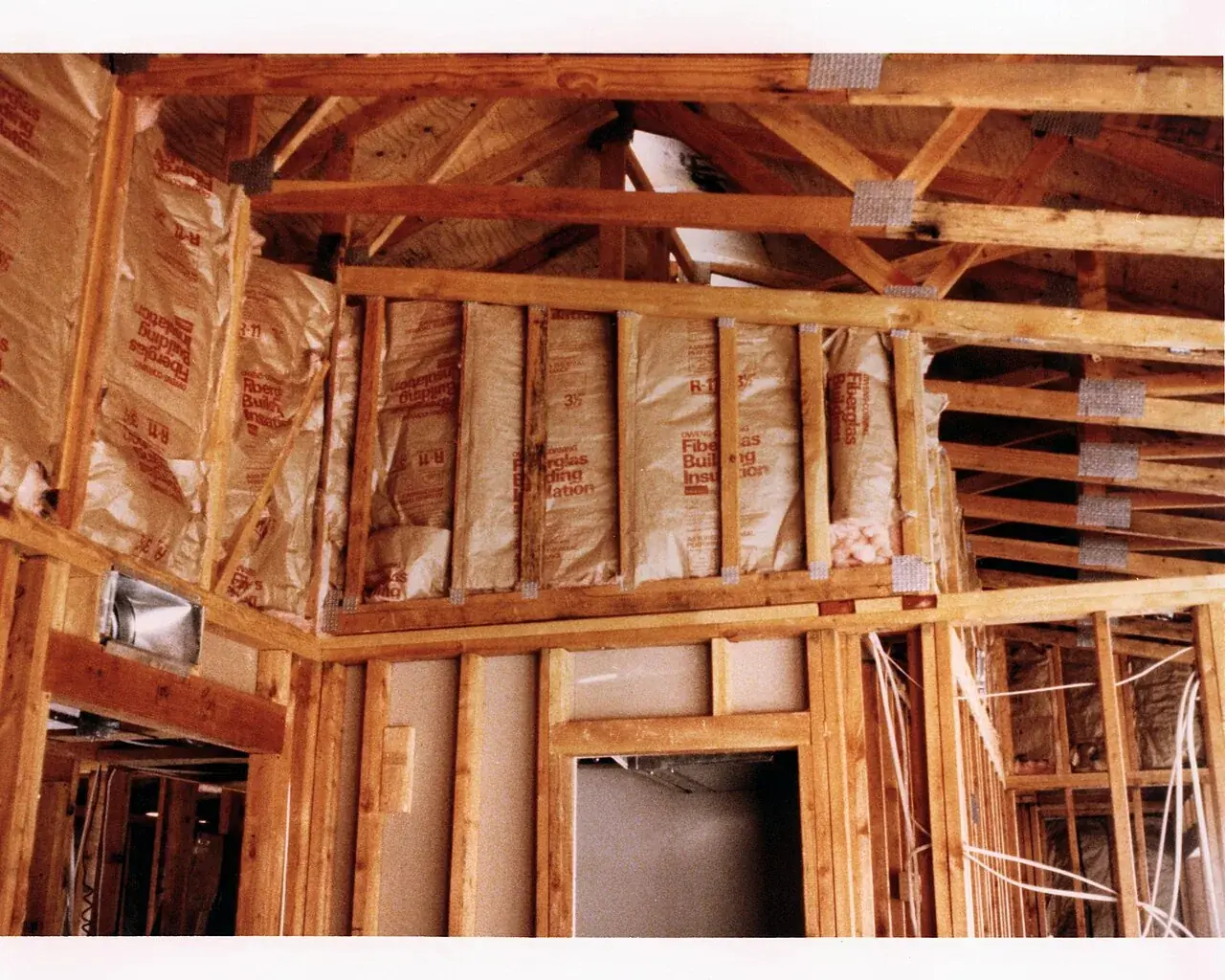
The broader district includes postwar suburban housing, later subdivisions and recent construction. A 1950s or 1960s house can now be roughly 60–75 years old; that is a different maintenance proposition from a recent townhouse. Do not label all of Nepean “newer housing” simply because it lies outside Ottawa’s oldest central neighbourhoods.
Centrepointe’s development history, for example, dates its subdivision growth from 1984 onward. Some original homes there are therefore around forty years old, while later phases are newer. The right comparison is the actual construction date plus the age of the roof, windows, heating equipment and major renovations. Neighbourhood development dates provide context, not an inspection result.
For a detached or semi-detached house, inspect grading, basement water history, exterior condition, garage access and major-system records. For a townhouse, establish whether it is freehold or condominium and which exterior or shared elements are maintained collectively. A lower asking price can be offset by deferred work or fees. Newer homes still need permit, warranty and completion records checked where applicable, particularly if surrounding roads or services remain under construction.
If the basement will become an exercise space, compare places to buy home gym equipment in Ottawa with delivery access and setup in mind.
Property tax and the full cost of a larger home
There is no separate present-day “Nepean tax rate” that applies uniformly to every address. The City of Ottawa bills according to assessment, property class and applicable services. Use the 2026 tax estimator and the actual property bill. Some addresses described broadly as Nepean may require service settings different from the urban example below.
These figures use residential taxable property, full urban transit and fire service, curbside collection and no sewer surcharge, checked on 9 September 2026. They are illustrations at selected assessed values, not Nepean averages and not calculations from sale prices. Local charges and separately billed utilities are excluded; condo/bin collection or other service arrangements can change the amount. Monthly equivalents divide the annual estimate by twelve.
A larger house, driveway and yard can also mean more work and operating expense. Compare heating and utility records where available, the condition of the roof and major equipment, and the cost of any work identified during inspection. Add vehicle costs if the location requires more driving. A practical budget distinguishes taxes, utilities, routine upkeep and major replacements instead of treating them as one unexplained monthly allowance.
| 2026 assessed value | Estimated annual tax | Monthly budget equivalent |
|---|---|---|
| $300,000 | $4,083.43 | $340.29 |
| $400,000 | $5,355.58 | $446.30 |
| $600,000 | $7,899.86 | $658.32 |
Property maintenance and municipal services
For a suburban house, inspect the driveway, front steps, grading and access to the side and rear yard. Check whether snow can be stored without blocking the entrance, a shared driveway or visibility at a corner. Mature trees can create shade and privacy, but their condition and proximity to the house should be part of the inspection and maintenance plan.
On a private road or in a townhouse development, confirm who handles plowing, pavement repairs, lighting and waste collection. A street that looks public may have different maintenance arrangements; obtain the documents rather than guessing from the layout. Ask how recurring work is funded and how urgent issues are reported. For a rental, record the agreed responsibilities for snow, lawn care and access.
Ottawa’s snow-clearing priorities depend on route classification and use. A residential crescent will not necessarily be cleared at the same time as an arterial road or transit route. Test the walk to the bus stop and school, including intersections and paths between subdivisions. For municipal issues, 3-1-1 is the starting point; private shared areas require the owner or property manager’s process.
The Ottawa property-drainage guide helps organise site observations before requesting a professional assessment.
Groceries and errands by corridor
Farm Boy at 1642 Merivale Road, Loblaws at 1980 Baseline Road and Metro Greenbank at 250 Greenbank Road are three useful grocery reference points in different parts of urban Nepean. They should help narrow a map, not imply that every Nepean home is close to all three. If your search is in Barrhaven or Bells Corners, build a separate local errands map rather than defaulting to the Merivale corridor.
Major shopping areas can combine groceries, pharmacies and household purchases, which is useful for a weekly car trip. For someone who walks or takes transit, the route across a plaza and between stores matters too. Check sidewalks, entrances, signalized crossings and where the return bus stops. The distance between two map pins may hide a large parking lot or an awkward road crossing.
Compare your normal grocery basket, delivery options and opening hours directly. If a household has only one vehicle, test the errands trip when that vehicle is at work. A home can support a convenient one-car routine, but that depends on the actual school, grocery and transit connections. It should be demonstrated with a normal weekday plan rather than assumed from the number of nearby stores.
Current transportation versus future rail
Nepean’s transportation options depend heavily on the smaller community. Baseline/Algonquin, Merivale, Greenbank, Woodroffe and the western corridors each create different routes. Use OC Transpo’s current trip planner with the exact address and compare the full trip, including walking and transfers. Check evening and weekend travel as well as a peak-hour commute.
The O-Train extension page identifies the western extension toward Algonquin and Moodie as future service, with 2027 on the published timeline when checked. A proposed or under-construction station is not an operating option for a September 2026 journey. Inspect present bus connections and access arrangements, then treat future rail as something to verify when an opening is announced.
If driving, trial the route to work at the relevant time and consider the return trip after school or recreation. For cycling, look at comfortable crossings of major roads and the last connection to the destination. A residential path can be valuable, but check whether it is usable in the season and at the time you need it. Avoid promising one commute time for the entire Nepean district.
For a car used through the winter, our winter seat-cover comparison separates material choices from vehicle compatibility.
Schools and family facilities
Sir Robert Borden High School at 131 Greenbank Road and Merivale High School are useful reference points for parts of urban Nepean; other communities have different elementary and secondary options. School names and postal descriptions do not establish a catchment. Use the OCDSB school locator for the precise address, program, grade and school year, including the later-grade pathway.
Ottawa’s English Catholic, French public and French Catholic boards use their own admission and placement processes. The City’s school-enrolment guide provides a starting point for all four boards. Ask directly about a new street if it is missing from a locator, and confirm transportation and childcare separately from the school place. A developer’s map or a nearby school building is not sufficient confirmation.
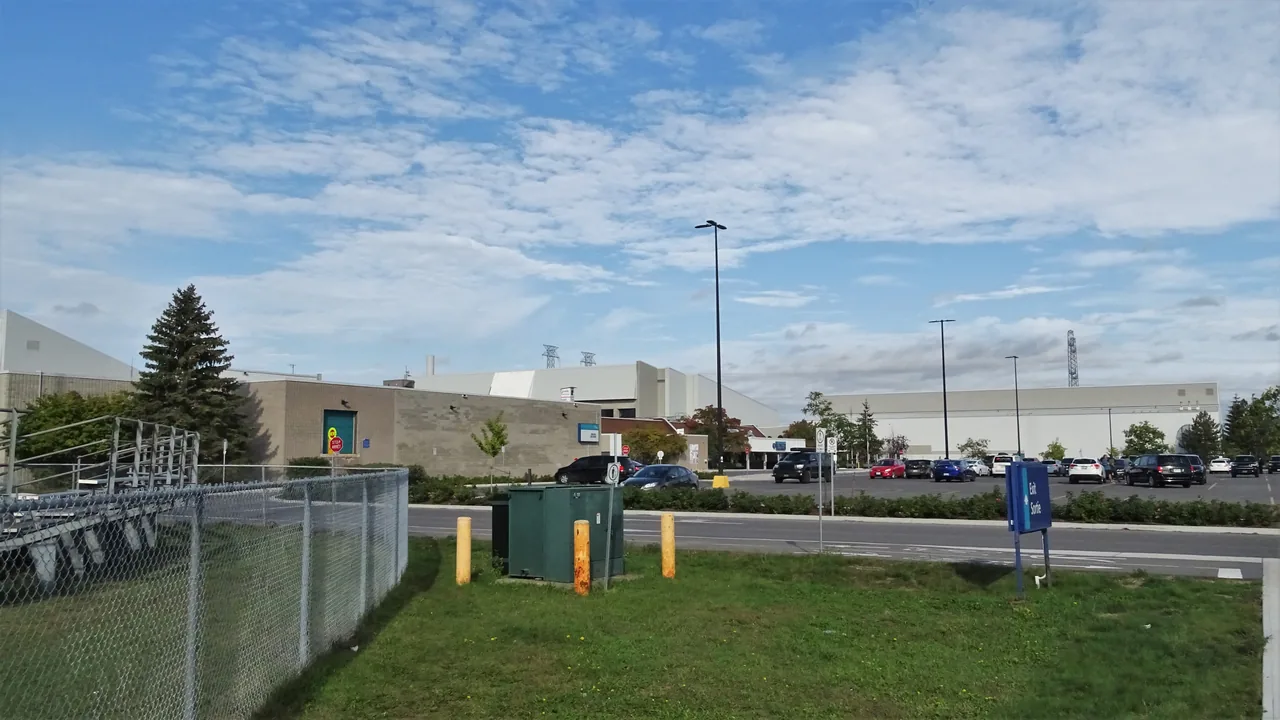
For family recreation, the Nepean Sportsplex at 1701 Woodroffe Avenue is a major reference point. Its programs and facilities can be useful, but availability and maintenance closures matter: the published pool notice checked for this guide lists an annual closure through 13 September 2026. Confirm the live schedule before attending. The useful test is whether a particular session fits your family’s route and timetable.
Nearby activities and a current closure to know
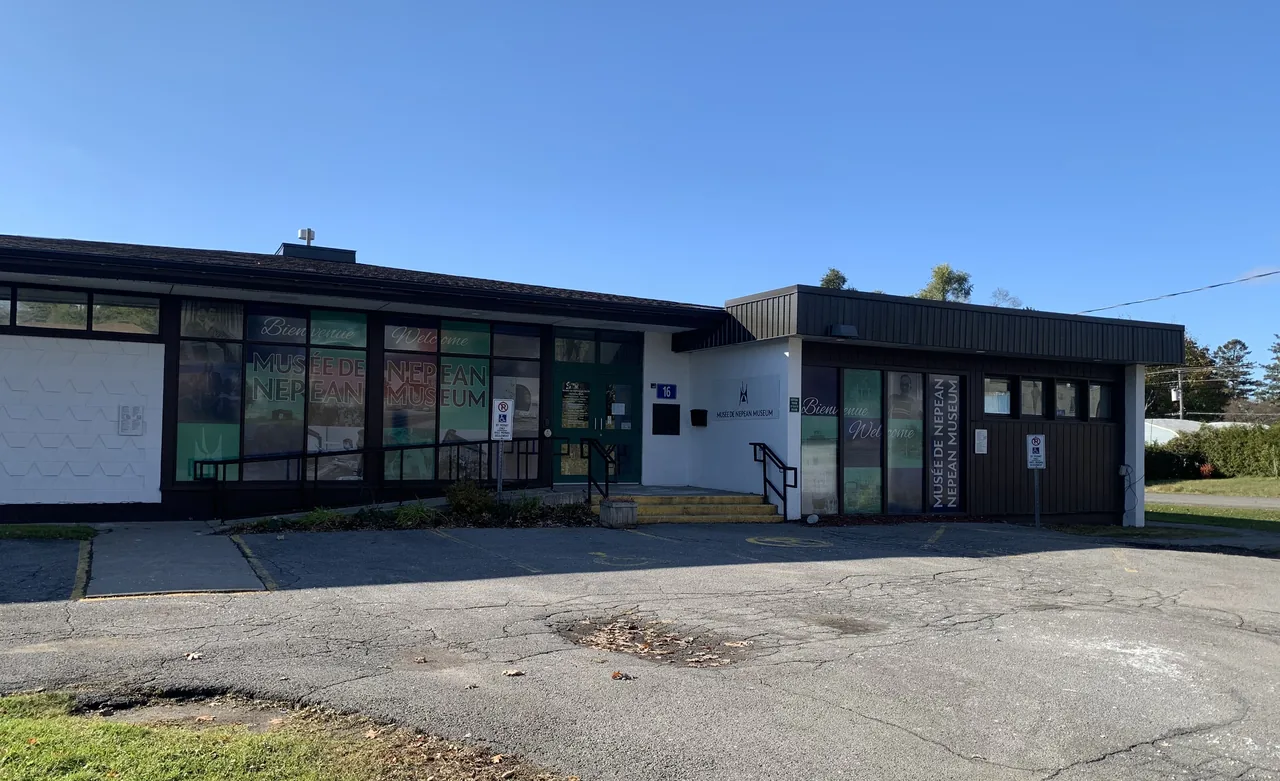
Nepean Museum at 16 Rowley Avenue offers a local-history outing and helps explain the transition from rural communities to suburban streets. Parks, libraries and community recreation give residents options that do not depend on travelling downtown. Use the City’s facility directory to check the current location and schedule for the service you actually want.
Meridian Theatres @ Centrepointe is normally an important cultural reference, but its current venue notice says it remains closed through the end of 2026 while damage from the July 1 flooding is assessed and restored. Some events are moved, postponed or cancelled. Check the specific event rather than planning a routine around the building being open.
Andrew Haydon Park, shown in this guide as a nearby western-riverfront outing, can be a useful destination from some Nepean communities. It is not within walking distance of every address carrying the Nepean name. Plan a shorter park route close to home for ordinary days and reserve larger outings for when the travel time fits. This distinction keeps a broad district guide useful rather than making every amenity sound equally close.
For a small local business planning graphics, the SpeedPro Ottawa review explains the scope of one studio’s published services.

A shortlist method for a broad district
First choose the smaller community. Then compare homes using the same four journeys: work, school if relevant, groceries and a regular leisure activity. Record the actual route and the transport required. This quickly reveals whether a lower purchase price comes with substantially more driving or an awkward family schedule.
At the property, check major-system ages, maintenance responsibilities, utility records, parking and the tax bill. For townhouses or private-road developments, review shared costs and repair obligations. If a future rail station or proposed facility is central to the sales pitch, evaluate whether the home works with services operating now. A worthwhile move should remain practical even when a future project takes longer than expected.
Families arranging retirement-home searches can compare Ottawa senior-living advisers by their scope and payment arrangements.
Frequently asked questions about Nepean
Is Nepean one neighbourhood?
No. It is a former municipality and a broad place-name covering multiple communities. Centrepointe, Bells Corners, Merivale-area neighbourhoods and Barrhaven have different routines and travel patterns. Narrow the search to the actual community before comparing amenities or commute times.
How old are homes in Nepean?
The district spans postwar housing, later subdivisions and recent builds. Centrepointe, for example, developed from 1984 onward, while some other areas contain 1950s and 1960s homes. Confirm the individual home’s age and upgrades rather than treating all suburban housing as recent.
Are Nepean property taxes different from Ottawa taxes?
Nepean is part of Ottawa. The assessment, property class and applicable services determine the bill. Our 2026 urban curbside illustration is $5,355.58 at a $400,000 assessment, but the exact address may have different charges or service settings. Check the current bill.
Can a household manage with one car?
Possibly, depending on the community and the family’s destinations. Test school, groceries, work and evening activities when the car is unavailable. Current transit and comfortable walking connections matter more than the number of amenities shown within a large search radius.
Is the Centrepointe theatre open?
The venue notice checked on 9 September 2026 says Meridian Theatres @ Centrepointe remains closed through year-end following July flooding. Events may be moved, postponed or cancelled. Verify the individual event and location directly before travelling or making plans.
What should I check in a townhouse purchase?
Confirm whether it is freehold or condominium, who maintains the roof and exterior, and who pays for roads, snow clearing and shared repairs. Review records and planned work. The listing price and monthly fee do not by themselves establish the full ownership cost.
Explore more local guides from Ottawa Reviews.
How we research and correct our guides · Suggest a correction


.jpg)


