The useful starting point
Standing water near a patio, runoff crossing a driveway and moisture at a foundation are different problems.
Locate the water problem before selecting a drain
Standing water near a patio, runoff crossing a driveway and moisture at a foundation are different problems. Begin by recording where water appears, when it occurs and where it seems to travel. Photographs taken during and after rain can help a qualified contractor understand the site.
These four approaches may form parts of the same design. They are not substitutes for checking elevations, soil conditions, property boundaries and the lawful discharge route. A drain with no suitable outlet does not become a complete solution because its inlet looks tidy.
1. Grading and surface corrections — address where runoff is directed
A grading review considers the shape of the surface and whether water is being directed as intended. It is a useful first discussion when a hard surface or altered garden appears to send runoff toward an unwanted location.
Ask what elevations would change and how the proposal affects adjacent areas. Include reinstatement of paving, planting or other surfaces in the price. Avoid making an isolated change that shifts the problem across a boundary or into another part of the property.
Pros
- May address the path of water before adding collection hardware.
- Can be coordinated with landscaping or surface replacement.
Cons
- Site levels and access can limit the options.
- Reinstatement may be a large part of the cost.
2. Swales and planned overland routes — guide water across suitable ground
A swale is a shaped route intended to convey surface water as part of a site plan. Whether it is appropriate depends on the property and the approved destination for the water.
Ask the designer to show its route, elevations and maintenance needs. Discuss how garden changes, fencing or snow storage could affect it. The purpose is to preserve a working flow path, not simply add a shallow depression wherever water is visible.
Pros
- A visible route can be inspected and maintained.
- May fit a broader landscape drainage plan.
Cons
- Needs suitable space and elevations.
- Later landscaping can obstruct the intended path.
3. Catch basins and area drains — collect at defined low points
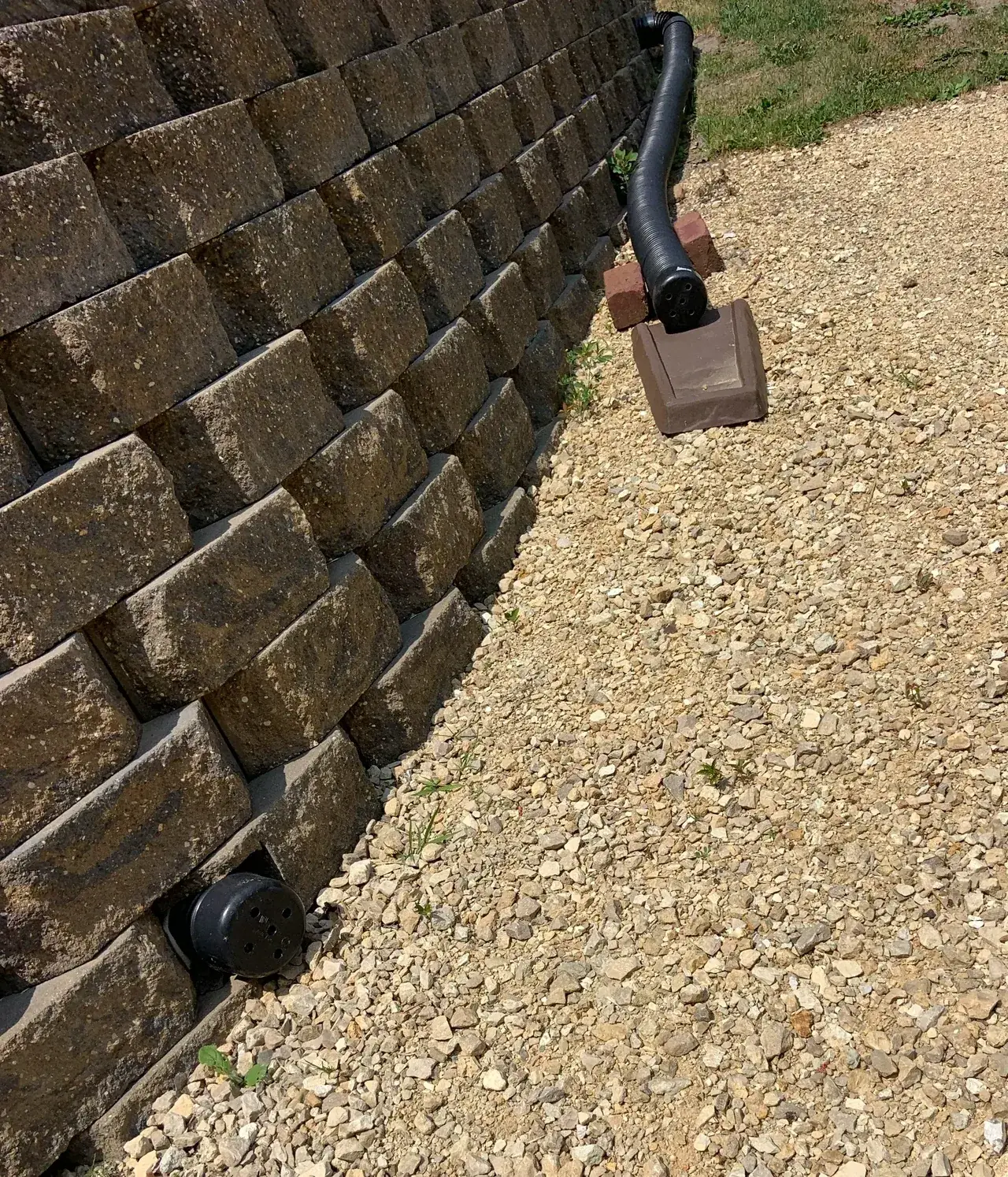
A point collection system may be considered where water gathers in a particular location. The proposal should show the inlet, connecting pipe, access for cleaning and the permitted outlet.
Ask how sediment and debris will be managed and who is responsible for keeping the system clear. Compare the whole excavation and pipe route, not just the visible grate. An inlet installed at the wrong level or connected to an unsuitable destination leaves the essential problem unresolved.
Pros
- Targets a defined collection point.
- Access can be planned for inspection and debris removal.
Cons
- Underground connections and discharge need a complete design.
- Blocked inlets or neglected sediment can reduce usefulness.
4. Linear or slot drains — intercept water along an edge
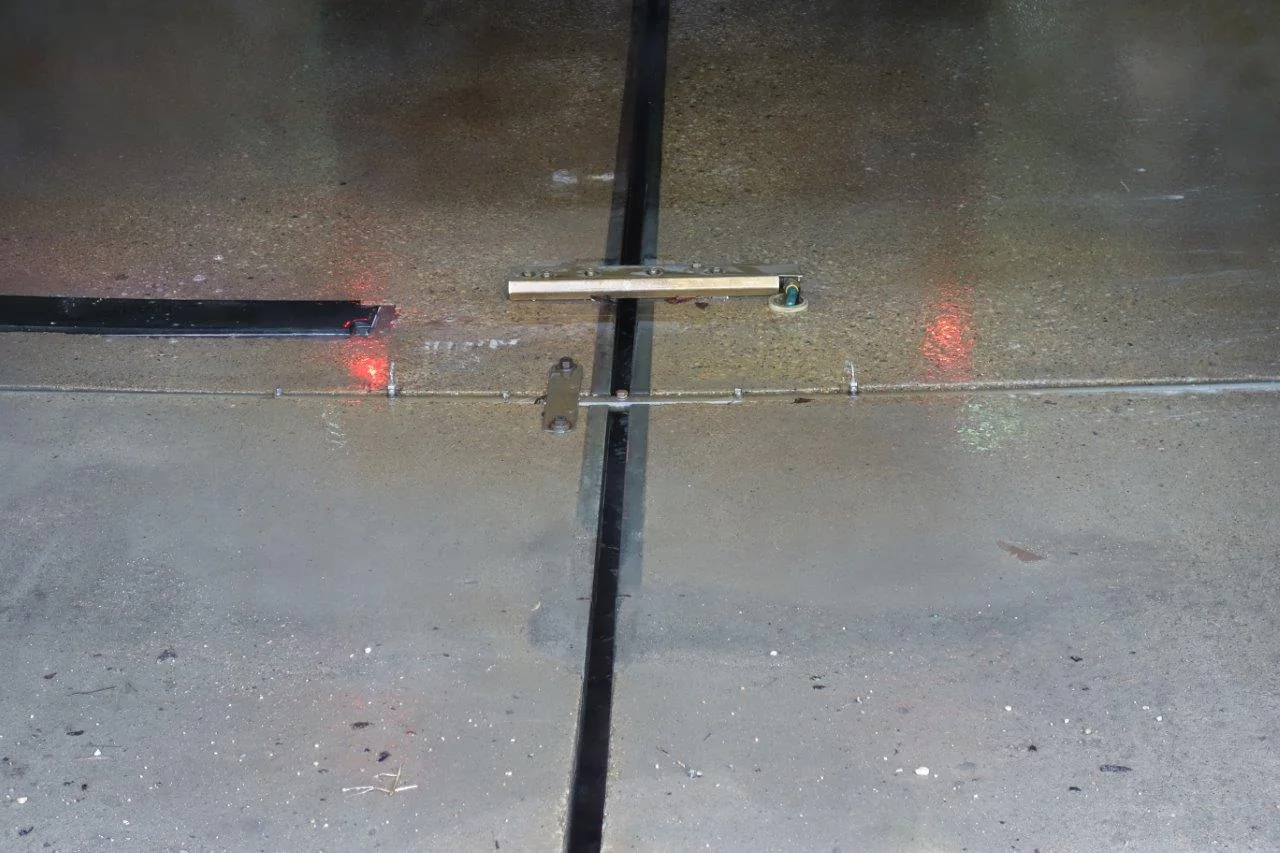
Linear drains may be considered beside a hardscape edge or across a defined flow path. Slot Drain Systems' 7000 Series is a manufacturer-listed landscaping product to discuss with the project designer, rather than evidence that the same drain suits every Ottawa property.
Request the intended load, channel arrangement, outlet, cleanout and surface details. Include excavation, concrete or paving work and maintenance access in the quote. Confirm who supplies the product and who installs it; the manufacturer is not presented here as an Ottawa drainage contractor.
Pros
- Can collect along a defined line instead of a single point.
- The visible form may suit some hardscape designs.
Cons
- Correct elevations, capacity and outlet remain essential.
- Installation and cleaning access can matter more than the product's appearance.
Compare proposals on the same site information
Give prospective contractors the same photographs, access information and description of when the problem occurs. Ask each proposal to identify the cause it addresses, the proposed route for the water and any assumptions that still need checking. Keep foundation-water concerns distinct from a cosmetic patio puddle.
Ask about utilities, municipal requirements and any shared or boundary conditions before excavation. Confirm the responsible designer or contractor rather than relying on a catalogue diagram. Where discharge or approvals are unclear, resolve them before ordering materials.
Request an owner maintenance plan: what to inspect, what to clean and how to reach it. Keep drawings and product information with the property records so future landscaping does not unintentionally interrupt the drainage route.
Continue planning in Ottawa
The Orléans resident guide adds housing-era and property-upkeep context to use alongside the assessment of your own site.
For western suburban properties, the Nepean neighbourhood guide covers building ages and shared maintenance responsibilities.
If insulation is also planned, compare Ottawa home insulation options as a separate part of the scope once the moisture question has been assessed.
For a workshop or processing facility, compare commercial floor-drain configurations instead of treating residential runoff as the same problem.
Frequently asked questions
Which drainage option is best for Ottawa clay soil?
A soil label alone is not enough. The site's levels, water source and discharge options need assessment before selecting a system.
Can a slot drain fix foundation leakage?
Not by assumption. Foundation water requires investigation, and a surface drain may address only part of the problem.
Does Slot Drain Systems install in Ottawa?
This guide identifies a manufacturer and supply enquiry route. Local installation must be confirmed separately.
Explore more Homes & vehicles guides from Ottawa Reviews.
How we research and correct our guides · Suggest a correction