
The useful starting point
A drain for an Ottawa brewery, workshop or food-production space must fit the operation using the floor.
Begin with the operation and the cleaning routine
A drain for an Ottawa brewery, workshop or food-production space must fit the operation using the floor. Describe the liquids, solids, cleaning routine, traffic and expected changes in use before comparing hardware. A tidy opening alone does not establish cleanability, capacity or suitability.
This guide compares three drain configurations for specification discussions. A qualified project team must determine the required design, materials, drainage connections and applicable approvals. We did not test flow rates, sanitation performance or load resistance.
1. Slot drains — a narrow linear opening
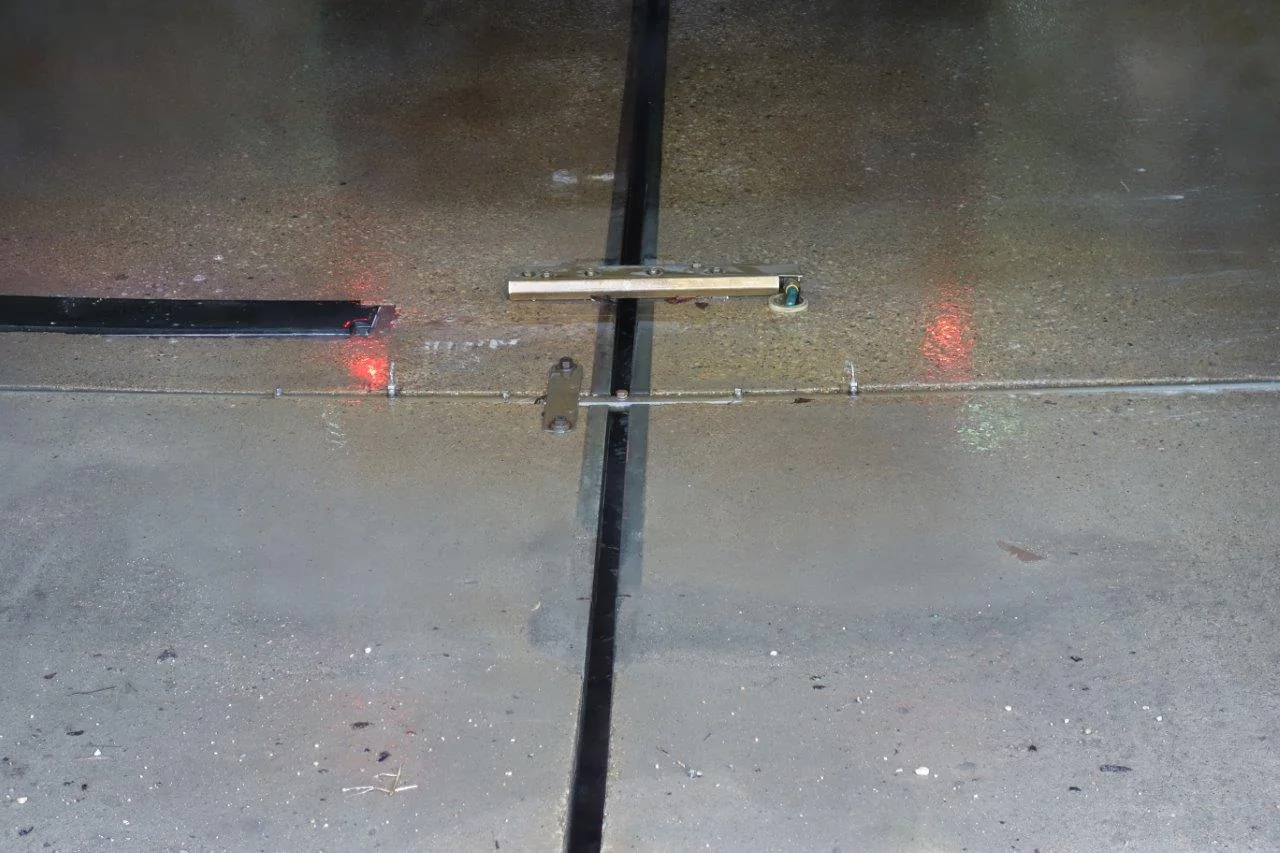
Slot Drain Systems' 10,000 Series is a manufacturer-listed option for commercial and processing applications. The relevant enquiry is whether its configuration, materials and cleaning provisions match the facility's actual requirements.
Ask how staff will inspect and clean the channel, how solids are collected and which accessories are required. Request the complete proposed layout, including outlets and access points. A claim about a drain being sanitary needs to be evaluated against the facility's cleaning procedure and the specific installation.
Pros
- A linear opening can be incorporated into a defined floor layout.
- A configured system can include planned cleaning and collection accessories.
Cons
- The narrow visible opening does not remove the need for internal cleaning.
- The full specification must match the operation rather than the product category alone.
2. Grated trench drains — accessible linear collection
A grated trench configuration uses a linear channel with a removable top. It may be considered where direct access to the channel is useful, subject to the required grate, channel and installation specification.
Ask how heavy the removable parts are and how staff will lift, store and replace them during cleaning. Consider traffic, footwear and wheeled equipment in the grate selection. Include the surrounding floor detail and any seals or joints in the assessment.
Pros
- Removable covers can provide access to the channel.
- Different channel and grate specifications can be compared.
Cons
- Handling and cleaning removable components adds work.
- The grate and surrounding floor need to suit the actual traffic.
3. Point drains — localized collection
Point drains may suit a layout with defined collection areas and a floor designed to direct liquid toward them. The design question includes the surrounding slopes and equipment positions, not just the diameter of the drain opening.
Ask where water might remain around fixed equipment and how the floor will be cleaned during operations. Consider access to strainers and traps and the route of the underground connections. A cheaper inlet is not a saving if the finished floor fails to direct water to it.
Pros
- Can suit localized collection needs.
- A compact inlet may fit some equipment layouts.
Cons
- Floor slopes and obstructions strongly affect performance.
- Several collection points may add cleaning and connection tasks.
Ask for one coordinated floor and drain specification
Give the designer the equipment layout and the planned cleaning process. Ask for material compatibility with the actual chemicals and temperatures, required loading, collection capacity and the destination of wastewater. Do not assume a general manufacturer's claim satisfies a particular food, industrial or municipal requirement.
Price the drain, accessories, excavation, piping, concrete, floor finish and commissioning together. Identify which contractor is responsible for transitions and final levels. A product supplier, plumbing contractor and flooring contractor can each do their own part correctly while leaving a poorly coordinated junction.
Request the cleaning instructions, inspection access and replacement-parts route before approving the order. Train the responsible staff on the installed system and keep its documentation available. For an existing facility, include shutdown time and how the work affects production in the purchasing decision.
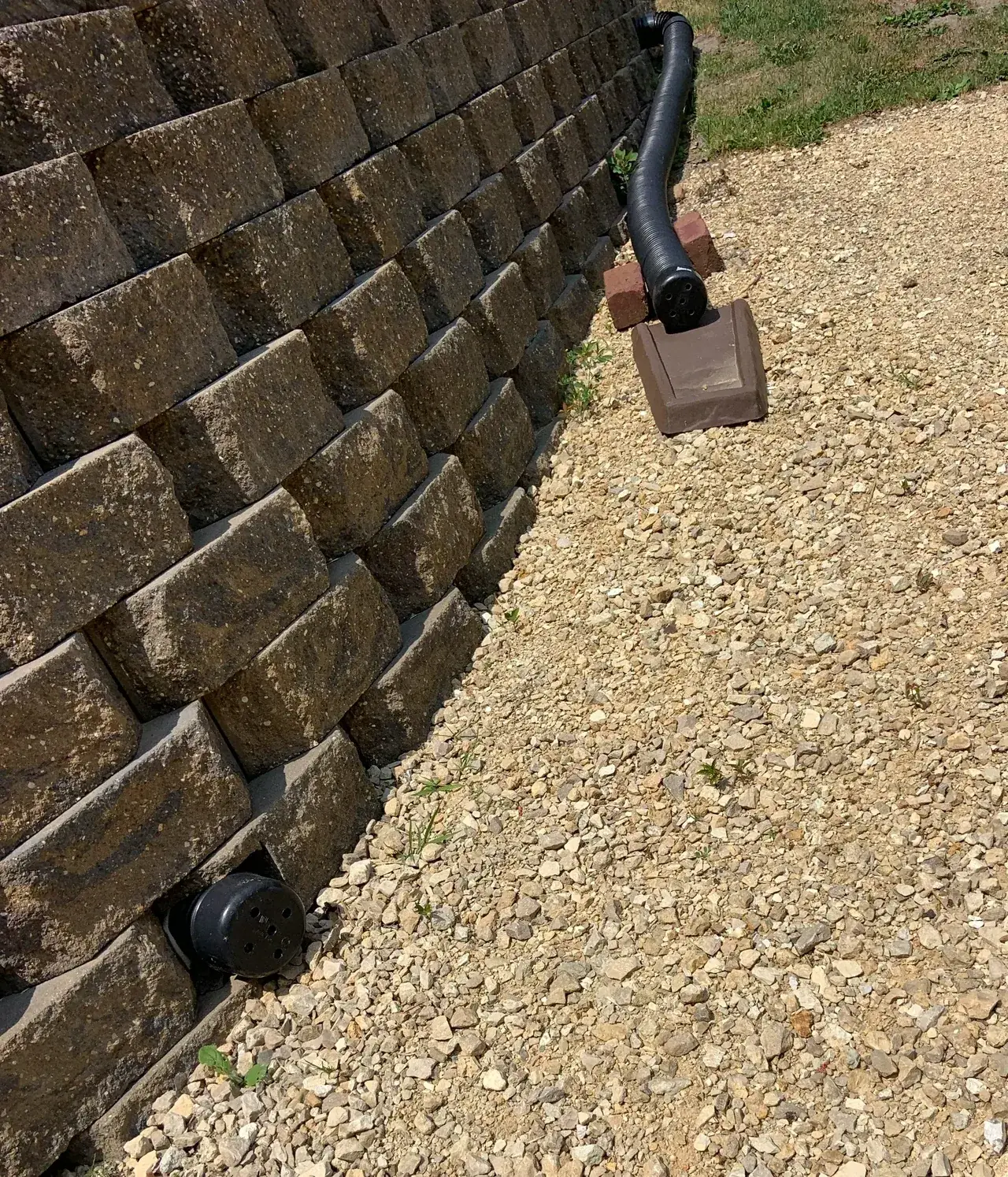
For exterior runoff, review outdoor property-drainage approaches separately from process-water collection inside a facility.
Frequently asked questions
Are slot drains always more hygienic?
That is not established here. Evaluate the exact design, materials, access and cleaning process for the facility.
Can I choose a drain by its advertised load rating alone?
No. The actual loading, installation detail, floor construction and complete specification must be assessed.
Who confirms the Ottawa wastewater connection?
The responsible project professionals and relevant authority must confirm the applicable requirements and permitted connection.
Explore more Homes & vehicles guides from Ottawa Reviews.
How we research and correct our guides · Suggest a correction

.jpg)
.jpg#Licensing)