
Find your version of Centretown
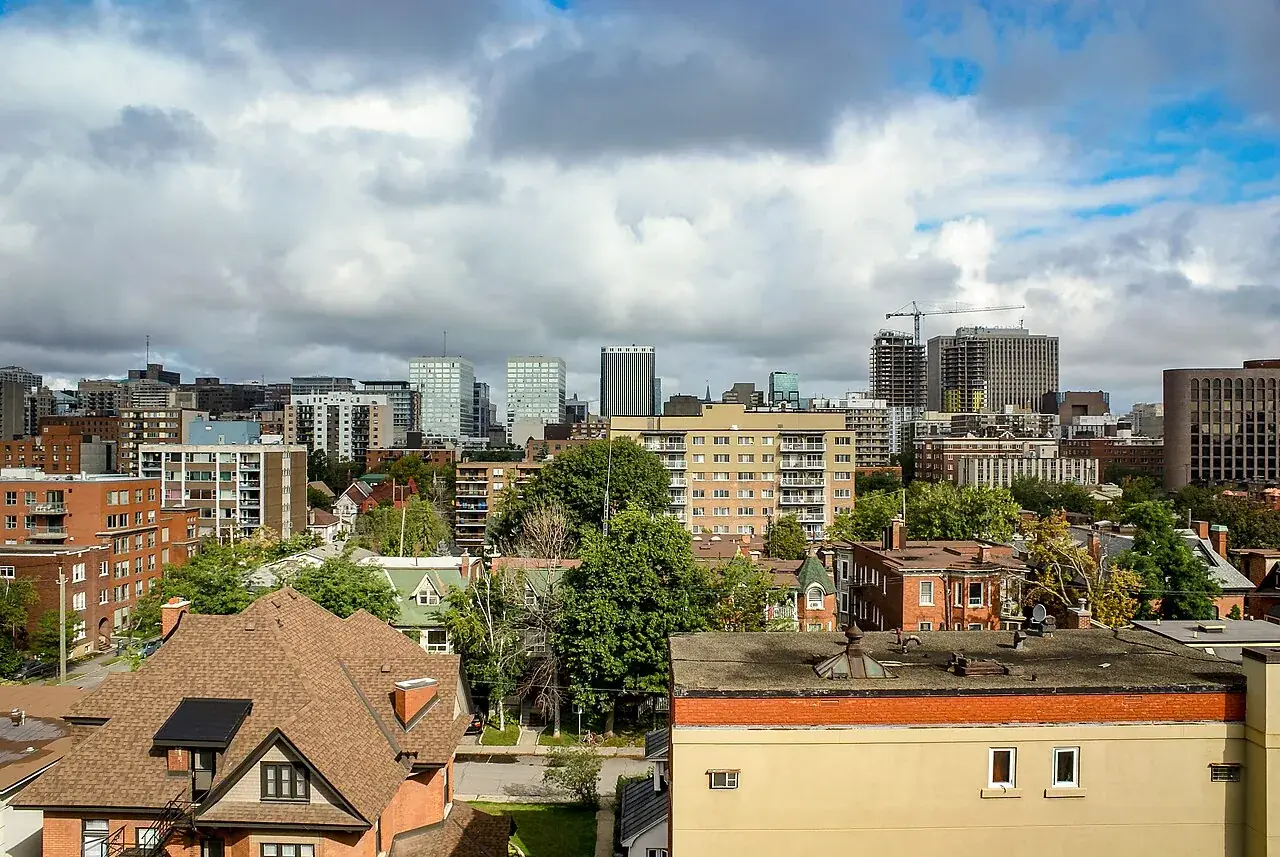
Centretown combines a residential street grid with Bank Street shopping, Elgin Street restaurants and easy access to downtown jobs. It is useful to think in smaller pockets: an apartment near the office core, a house conversion south of Somerset and a place near the Queensway can offer very different daily experiences. Confirm the listing’s actual location rather than assuming that “downtown” describes the walk you want.
Bank and Elgin give the neighbourhood much of its activity, while side streets contain a mixture of houses, apartments, trees and small businesses. Street-facing bedrooms, busier intersections, patios and service entrances all affect the feel of a property. A unit facing a quiet courtyard may be appealing, but inspect daylight, ventilation and the use of that courtyard before deciding.
The strongest reason to choose Centretown is often the ability to combine ordinary errands on foot. Try a weekday loop from a prospective home to groceries, a pharmacy and your workplace or transit stop. Repeat the route after dark if that is when you will use it. This is more informative than relying on a general walkability score or a weekend restaurant visit.
Building ages and the upkeep they imply
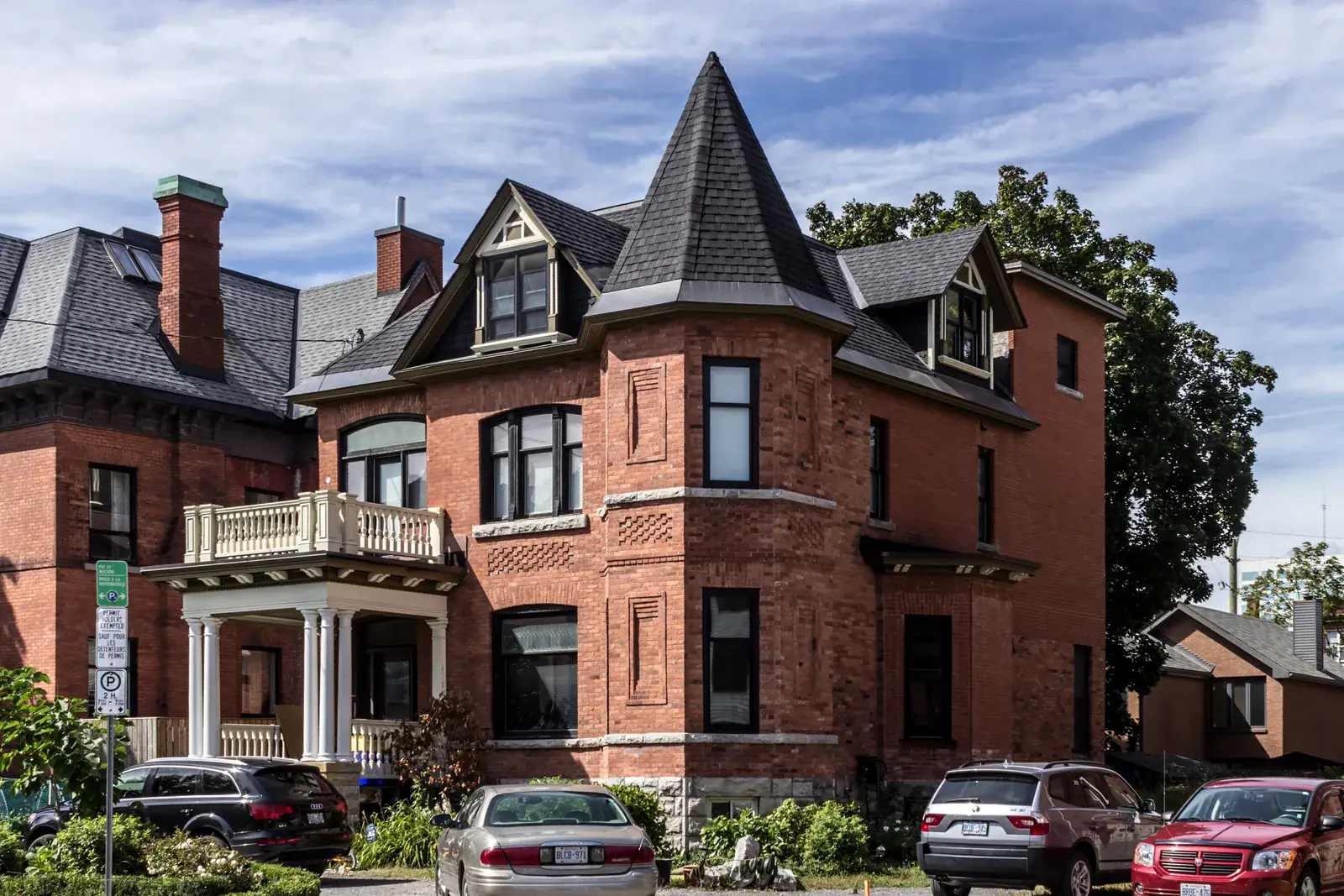
The City’s Centretown heritage description identifies a strong concentration of housing built between 1890 and 1914 in the heritage district. Red-brick detached houses, rows and early apartments remain important to its character. The wider neighbourhood also includes later apartment towers and recent construction. These are distinct property types, so a single average building age would hide the differences a buyer or tenant needs to inspect.
In a house conversion, ask whether utilities are separately metered, how heat is controlled and whether sound travels between units. Look at stairs, access to laundry, window condition and basement moisture history. Request records of roof, plumbing and electrical work rather than assuming that a modern bathroom means the whole building has been renewed. Basement and top-floor units deserve different questions about water, heat and summer comfort.
For a tower, inspect elevators, ventilation, balcony condition and the process for major repairs. A condo buyer should review the reserve fund and planned capital work; a renter should ask how notices and outages are communicated. If exterior changes are part of a purchase plan, check heritage status for the address. The age of the street, the age of the structure and the date of its latest renovation are three different facts.
If room comfort is part of a renovation, the Ottawa insulation comparison sets out questions for a qualified building professional.
Property tax and a complete housing budget
Centretown has enough variation in unit size and property type that a neighbourhood tax average would be a poor substitute for the bill on your shortlist. The City’s 2026 tax estimator uses assessed value and service settings. A sale price or monthly rent is not the assessment to enter.
The table uses residential taxable property with full urban transit and fire service, curbside garbage and no sewer surcharge, checked on 9 September 2026. These are worked examples, not typical Centretown bills. Separate utility costs and property-specific local charges are excluded. A condo or multi-residential building may require different collection or property-class settings; obtain the actual bill rather than applying the example automatically.
Compare total occupancy costs: rent or mortgage, tax where applicable, condo fees, utilities, insurance and any parking or storage charge. Ask what heat is included and how summer cooling works. For a freehold house, add a repair reserve based on the inspection and near-term work. For a condo, review what the monthly fee covers and whether planned work could require additional funding. Two similarly priced homes can have very different monthly commitments.
| 2026 assessed value | Estimated annual tax | Monthly budget equivalent |
|---|---|---|
| $300,000 | $4,083.43 | $340.29 |
| $400,000 | $5,355.58 | $446.30 |
| $600,000 | $7,899.86 | $658.32 |
Maintenance, parks and winter access
Compact lots and shared buildings make upkeep a collective issue. Find out who manages the front steps, garbage enclosure, rear lane and any shared driveway. Check whether the route to laundry or bicycle storage becomes slippery or obstructed in winter. A basement apartment with a separate entrance should have a clear snow-storage and drainage plan, not just a promise that someone will deal with it.
The City clears roads and sidewalks according to maintenance priorities, so conditions on a side street may differ from Bank or Elgin during a storm. Street parking requires attention to seasonal restrictions and temporary signs. Before paying for an apartment without a space, identify a workable alternative when restrictions are in effect; an available curb spot during a viewing is not a year-round parking arrangement.
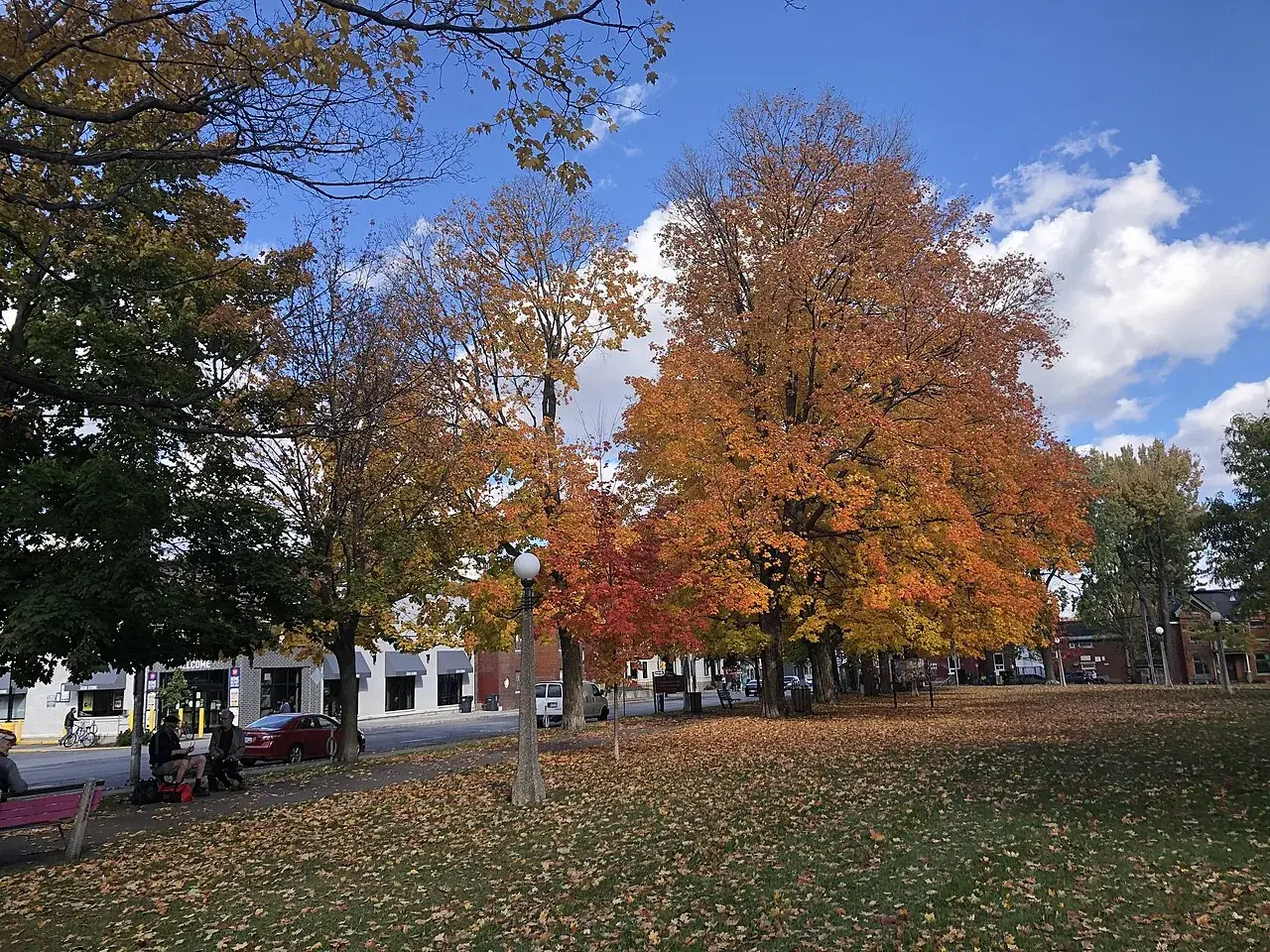
Dundonald and Minto parks provide neighbourhood green space, but proximity alone does not establish the condition of the route, paths or facilities on a given day. Walk the park you would actually use and look at entrances, seating and crossings. Report municipal maintenance issues through 3-1-1, and keep private-building requests with the landlord or manager so responsibility is clear.
Grocery shopping and daily errands
Massine’s Your Independent Grocer at 296 Bank Street and Farm Boy at 193 Metcalfe Street are two practical food-shopping reference points. They serve different sides of the neighbourhood, so compare the actual walk from your door. A home marketed as central can still be inconvenient if every substantial grocery trip crosses the same busy junction or ends with several flights of stairs.
Bank Street offers a useful chain of small errands, while the Elgin and Metcalfe side can suit people whose work or routine pulls them east. Compare the items you buy regularly rather than assuming one store is cheaper across the board. Check household supplies, dietary needs and pharmacy access separately; a strong fresh-food selection is not necessarily a complete replacement for every weekly purchase.
For deliveries, ask whether the building has a secure receiving area and how couriers reach it. If you work away from home, clarify package handling and grocery drop-off rather than leaving instructions to chance. Make a first-week checklist with your closest full grocery store, a backup option, laundry if needed and a parcel pickup location. Verify current hours directly before relying on an early or late trip.
Commuting, cycling and parking
Lyon and Parliament stations are useful rail reference points toward the north of Centretown. Their convenience depends on how far south and east you live. For many trips, walking or a surface bus may be more direct than walking north to rail and transferring. Use OC Transpo’s trip planner for your destination and the time you actually need to arrive.
Cycling can fit the central street grid, but assess the complete route to work, including difficult intersections and secure storage at both ends. Test whether you can carry a bicycle through the building without blocking stairs or hallways. If the unit has a balcony, do not assume that it is approved or practical bicycle storage.
Keeping a car adds more than the price of a parking space. Confirm the garage entrance, winter access, visitor rules and the walk between vehicle and unit. If you commute outside downtown, try the outbound trip during your actual work hours. Proximity to the Queensway can be convenient for driving, but nearby highway traffic and exposure should be assessed from the specific unit rather than treated as a universal benefit.
Schools and a family’s daily schedule
Elgin Street Public School at 310 Elgin Street, Glashan Public School and Lisgar Collegiate Institute are established school names in the area. Their presence does not guarantee admission from every Centretown address. Confirm the school, grade and program through the OCDSB school locator for the relevant academic year. A real-estate description may use an older boundary or simply list the closest building.
Families considering English Catholic or French-language education should also use the City’s guide to Ottawa’s four school boards. Admission criteria, program availability and transportation need separate confirmation. Do not choose a lease solely because a school appears within walking distance; the assigned program may be elsewhere.
Walk the route at school arrival and dismissal times. Busy north–south streets, turning traffic and winter snowbanks can change the experience for a younger child. Check before- and after-school care availability, summer arrangements and the pickup plan on days when a parent is delayed. For apartment living, also consider stroller storage, elevator reliability and access to a park: these details influence family convenience every day.
Things to do close to home
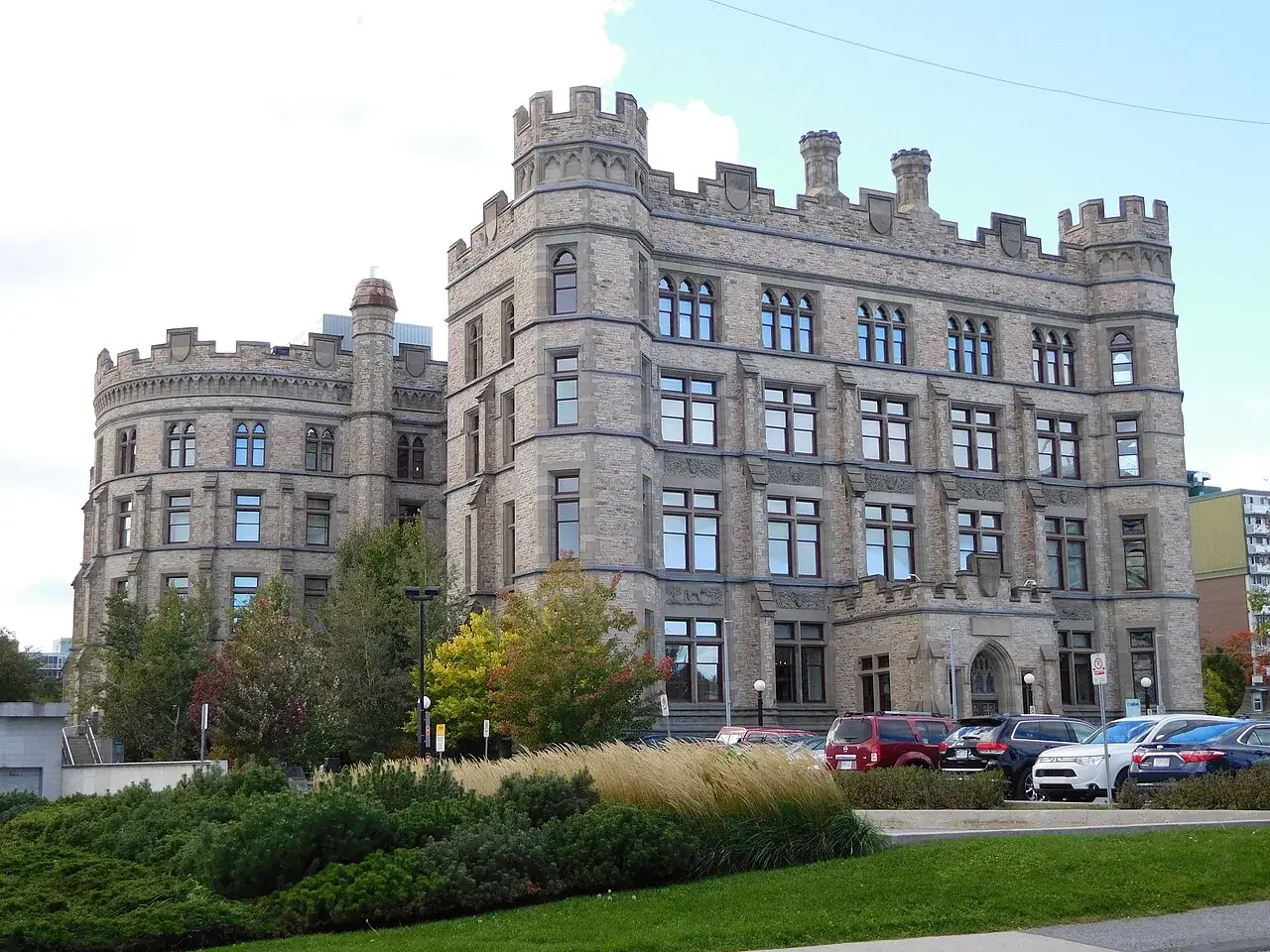
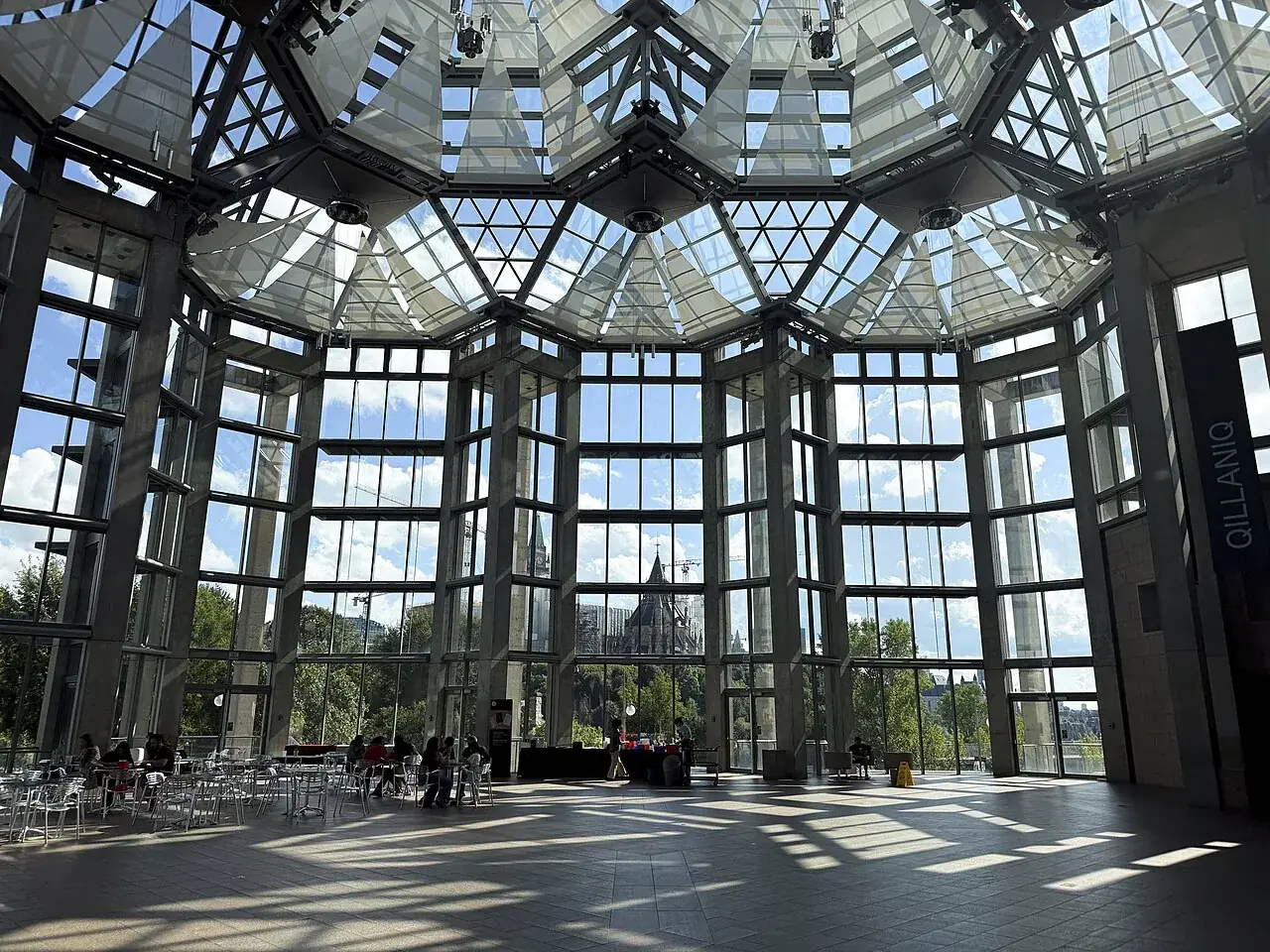
The Canadian Museum of Nature is a major nearby indoor destination, while the Rideau Canal side of the neighbourhood gives access to longer walks and cycle routes. Ottawa Tourism’s Centretown overview is useful for discovering the mix of local food and cultural stops. Treat current admission and event schedules as a separate check when budgeting a regular outing.
For a low-cost routine, use Dundonald Park or Minto Park for a short break and build a longer walk toward the canal when time allows. A canal-side apartment is not required to enjoy the route. Pick a comfortable crossing and assess the walk home as carefully as the scenic part; accessibility, rest stops and winter conditions matter more than a straight-line distance.
Indoor recreation is also available through the City’s facility listings, including the Jack Purcell Community Centre at 320 Jack Purcell Lane. Check the current program, availability and closure notices rather than assuming every activity is drop-in. Living centrally works best when you choose a few repeatable habits—a class, library stop or weekly walk—alongside occasional restaurants and performances.
The rainy-day Ottawa guide helps choose between a gallery, museum, cinema and meal when outdoor plans change.
For visiting relatives, the Ottawa two-day itinerary connects central sights without trying to cross the whole city.
A viewing checklist that saves time
Start with the unit’s everyday limitations: noise, heat control, laundry, storage and the route out of the building. Then check the outside routine: groceries, school if relevant, transit and parking. Ask for written answers about utilities and maintenance, and inspect common spaces before leaving. These questions apply equally to a charming conversion and a newer apartment.
For a purchase, match the property records to the actual home and review major work before setting a renovation budget. For a rental, confirm the complete monthly charge and move-in arrangements. If you are relocating from a suburb, test carrying groceries and completing a winter-style commute without using the car. Centretown’s convenience is most valuable when it removes a real task from your week.
When a move involves changing care or support needs, start with the Ottawa senior-living options guide.
For a criminal-law enquiry, the criminal-defence service comparison explains published firm scope and retainer questions; proximity to Elgin Street alone does not establish suitability.
Frequently asked questions about Centretown
Is Centretown practical without a car?
Often, particularly when work and errands are central. Check the walk to groceries and the best bus or rail route from the exact address. Someone living near the Queensway has a different trip to a station than someone living near the office core.
How old are Centretown’s homes?
The heritage district has a substantial concentration of homes from 1890–1914, alongside later construction in the wider area. Confirm the individual building’s age and the dates of major upgrades. A renovated interior does not establish the condition of hidden systems.
How much are Centretown property taxes?
They depend on the property’s assessment, class and services. Our 2026 urban curbside examples range from $4,083.43 at a $300,000 assessment to $7,899.86 at $600,000. This is an illustrative assessment range, not a measured range of Centretown bills.
Where can residents buy groceries?
Two useful reference points are Massine’s at 296 Bank Street and Farm Boy at 193 Metcalfe Street. Compare the walk, the items you regularly buy and current hours. Delivery and package arrangements are worth checking if your building has controlled entry.
Does a nearby school mean my child can attend?
No. Assignment depends on address, board, grade, program and school year. Use the board’s current locator and confirm placement directly. Before- and after-school care and transportation are separate checks, even when the school itself looks close.
What should I ask about an older rental apartment?
Ask about heat control, utility billing, sound transfer, laundry, basement moisture history and recent major repairs. Inspect shared stairs, garbage storage and winter access. Clear maintenance arrangements are more useful than a general claim that the building has been renovated.
Explore more local guides from Ottawa Reviews.
How we research and correct our guides · Suggest a correction


.jpg)
.jpg)


.jpg)


