
The useful starting point
Keep day one around Parliament and the ByWard Market. Give day two to one museum and one neighbourhood. Book your anchor activity before filling the gaps.
Before you set out
This plan assumes two reasonably full days and a central starting point. The time blocks below are planning estimates, not measured journey times or venue recommendations. They include pauses; shorten the walking whenever your group needs it. If arrival uses half a day, preserve one main activity rather than squeezing in the entire route.
Choose a Parliament reservation or museum ticket first. Ottawa Tourism lists separate House of Commons, Senate and immersive-experience visits, with security screening and availability tied to parliamentary activity. Check the meeting location on the booking confirmation: these experiences do not all begin at the same building.
If accommodation is still undecided, compare where to stay in Ottawa against the stops you most want to visit.
Day one: the central sights, then the Market
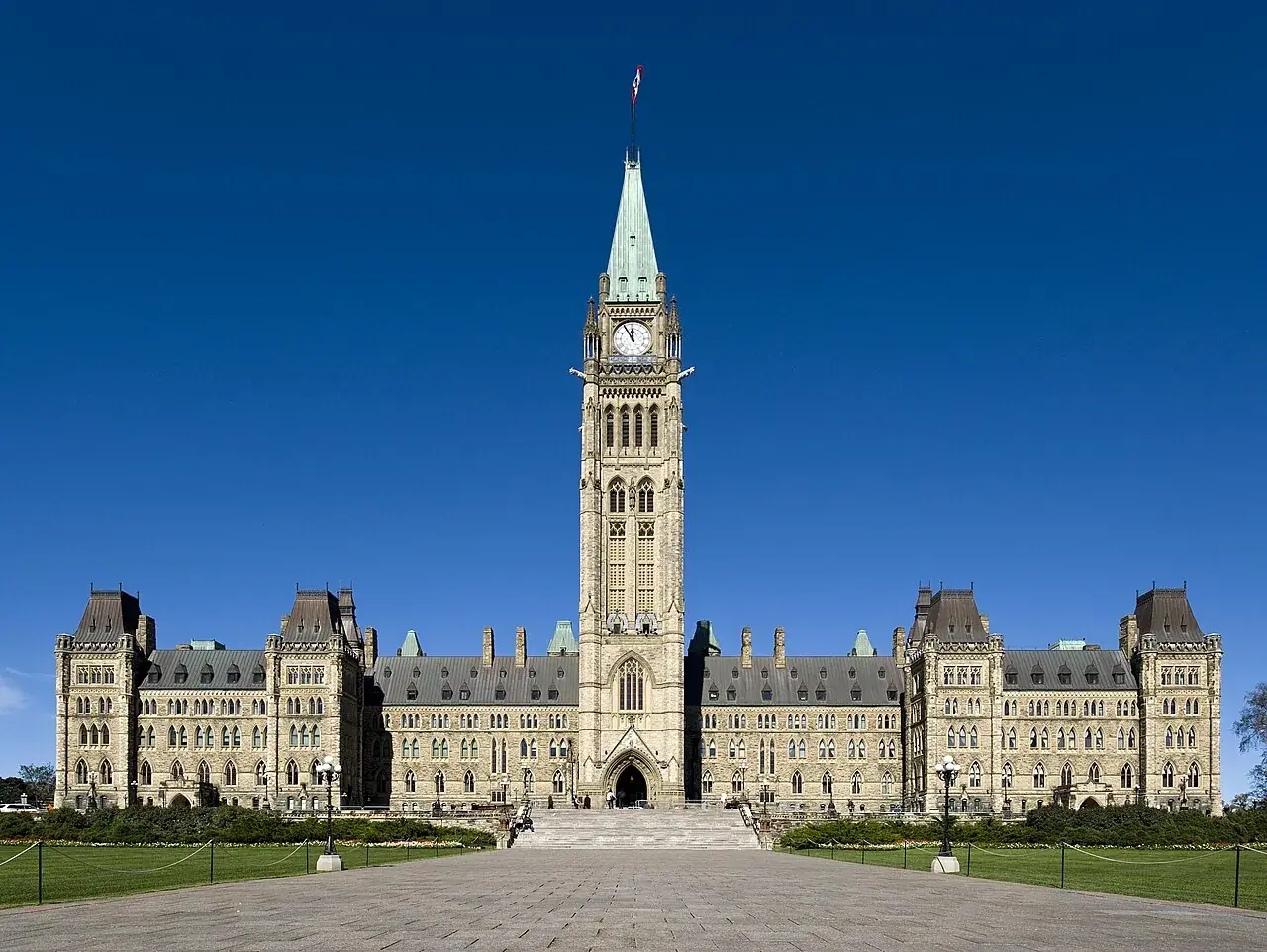
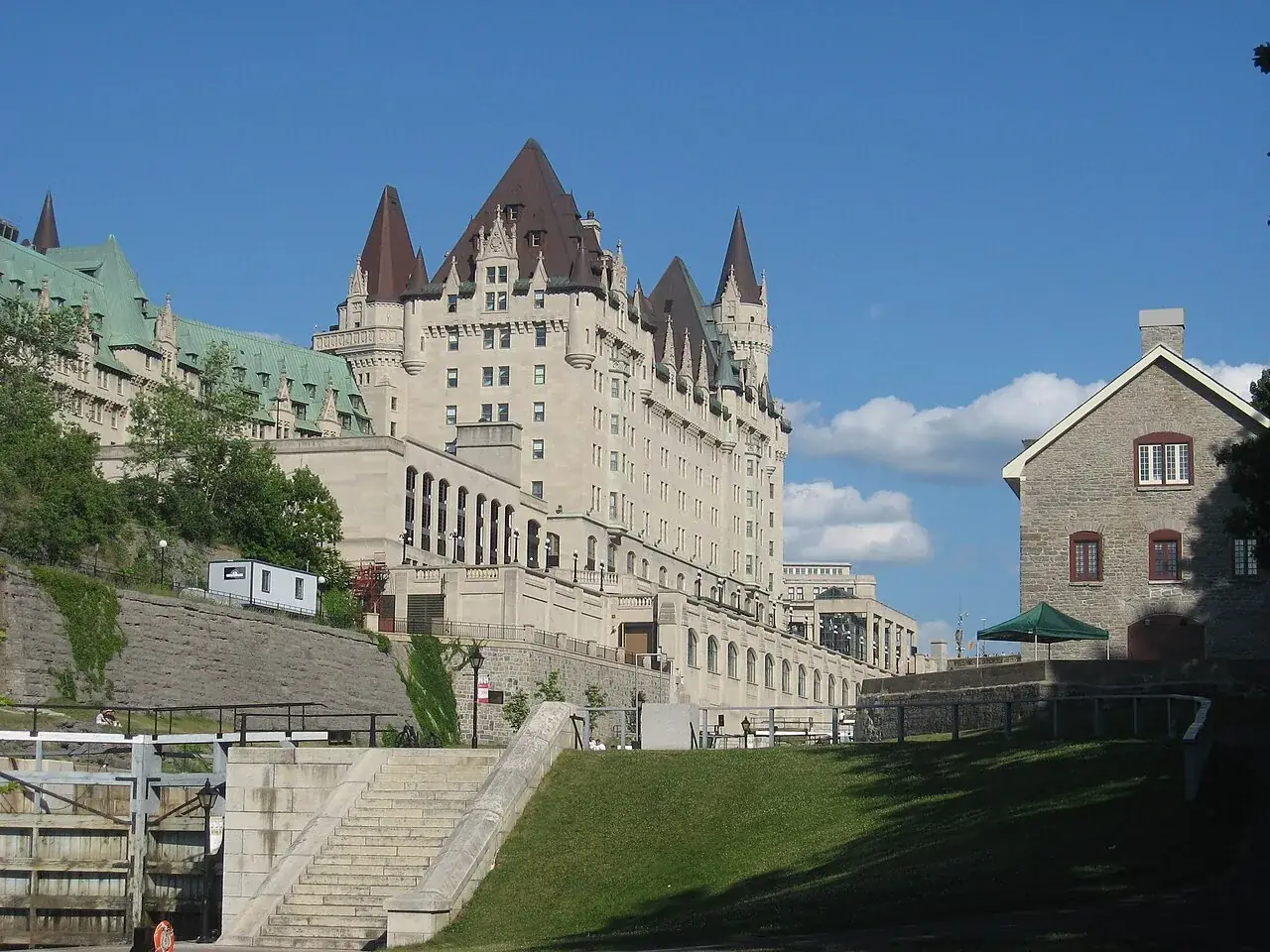
Morning — allow roughly 2–3 hours for a booked Parliament experience, security and time outside. Start around Wellington Street, then move east towards the canal and Château Laurier. Leave the lower locks as an optional extension; a view from above still gives a sense of the canal without committing everyone to steps.
Lunch — continue into the ByWard Market. Pick a quick meal if an afternoon booking is fixed, or make lunch the longer break. La Bottega Nicastro is a researched option for Italian food and takeout; review its current menu before deciding.
Afternoon — allow 2–3 flexible hours for Market streets and nearby shops, or choose the Ottawa Art Gallery for an indoor stop. Keep the evening in the same part of town rather than adding a cross-city journey. Our dining guide helps distinguish meal formats without pretending every meal needs a reservation.
Our Ottawa dining guide compares areas and meal formats when you need a lunch option that fits the route.
Day two: choose your museum, then change the pace
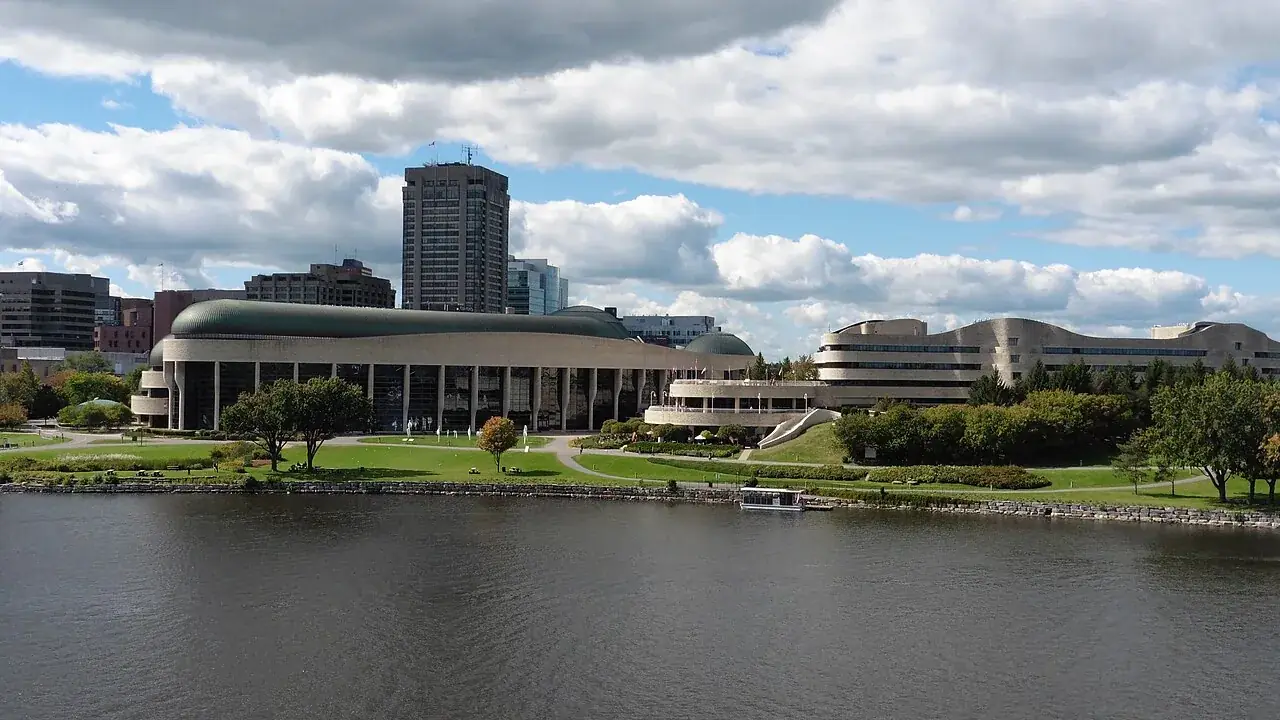
Morning — choose the Museum of Nature for natural-history interests, or the Canadian Museum of History for a history-led visit. Reserve approximately 2–3 hours as a starting budget, with permission to stay longer. History is in Gatineau, Quebec: include the river crossing in your travel plan rather than treating it as a downtown Ottawa walk-in.
Afternoon — choose one area. Bank Street in the Glebe pairs shopping and a meal with a canal-side extension. Wellington West suits a separate café-and-shops outing. Trying to cover both after a museum turns a relaxed day into transfers. In rain, extend your museum visit or use an indoor cinema option instead.
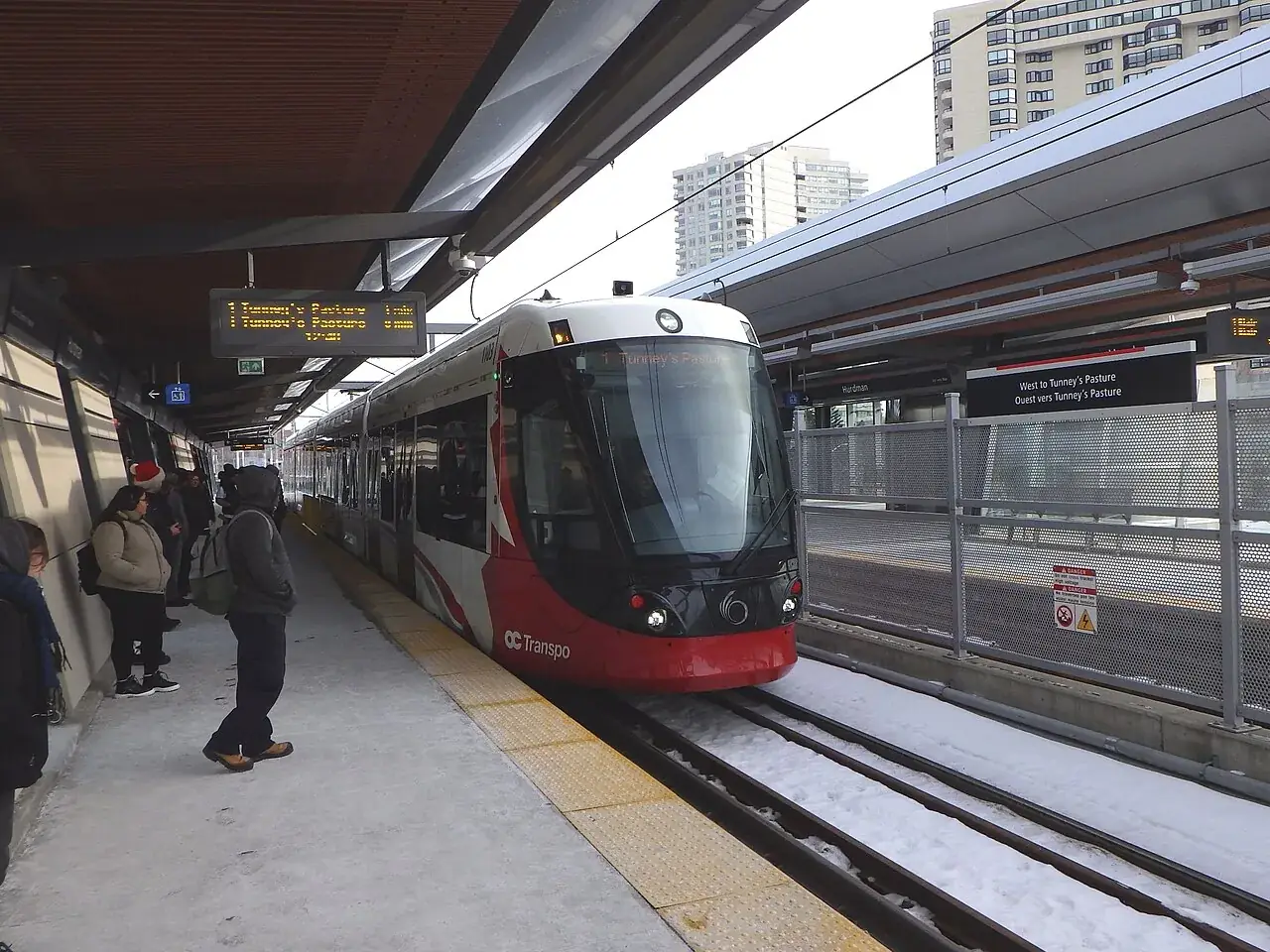
Evening — keep a buffer before your train or flight. Check the actual departure point and current transit connections, and allow time to retrieve bags. A late restaurant booking is a poor fit with a fixed departure.
Use the Ottawa museum comparison to choose between natural history, Canadian history and visual art before booking.
Adjust the plan to the day you have
For persistent rain, prioritise one indoor attraction and one meal in the same area. For a limited walking day, arrange a direct drop-off and ask the venue about the route from entrance to the galleries you want. In winter, treat skating as a bonus only after the NCC reports suitable open sections.
A good two-day visit leaves things for next time. Decide which of history, food, art or neighbourhood browsing matters most to your group, and let that choice remove a stop. Start with the transport guide if you are arriving without a car.
Plan the airport, rail and local connections with our guide to Ottawa without a car.
Explore the places in this guide
Explore more Explore Ottawa guides from Ottawa Reviews.
How we research and correct our guides · Suggest a correction


.jpg)

