
Choose the block, not just the neighbourhood
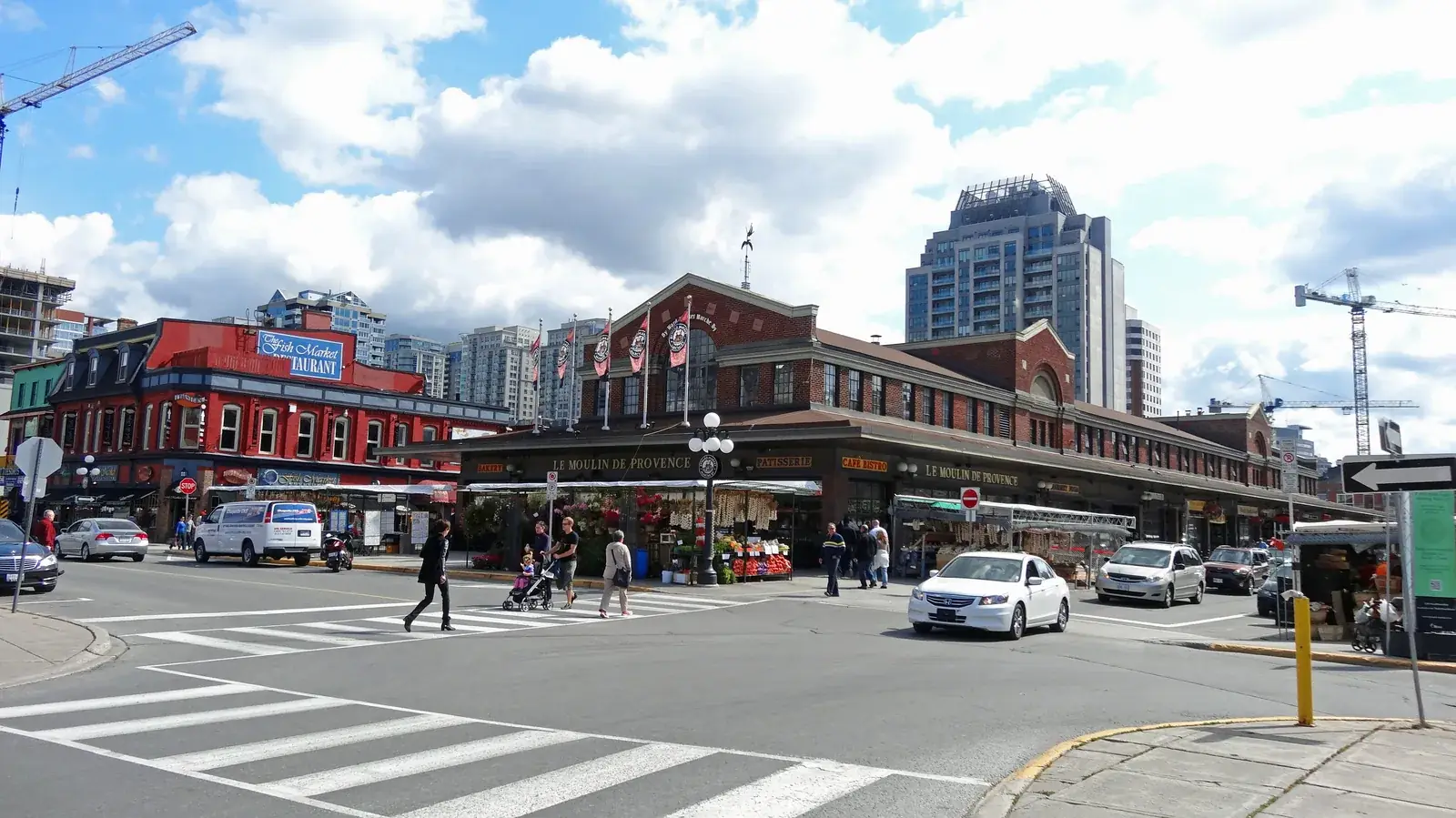
Living in the ByWard Market puts restaurants, shops, the Rideau Centre and major cultural destinations close together. It can suit someone who values walking to dinner, groceries and a downtown workplace more than having a large yard. The useful distinction is between the commercial Market around York, Clarence and ByWard Market Square, and the more residential Lowertown streets beyond it. A listing that uses “ByWard Market” may sit several blocks from the market hall.
Clarence Street’s restaurant and evening activity feels different from a residential side street north of St. Patrick. Rideau Street and King Edward Avenue are important traffic corridors. A rear-facing apartment can also feel very different from a unit overlooking a patio, loading area or intersection in the same building. Check the bedroom location, window performance and ventilation; being able to close a window comfortably matters in summer.
Visit your shortlist once during the workday and again at the time you normally sleep or return home. Walk from the actual entrance to groceries, transit and a park. Look at lighting, crossings and access without making assumptions about an entire neighbourhood from a single busy corner. The right question is whether that block works for your routine.
If you are also opening a restaurant here, the online ordering systems guide includes practical pickup and kitchen-workflow checks.
For owners considering new storefront graphics, the Ottawa signage-profit study examines costs and measurement without claiming a proven profit uplift for this neighbourhood.
Building ages and what to inspect
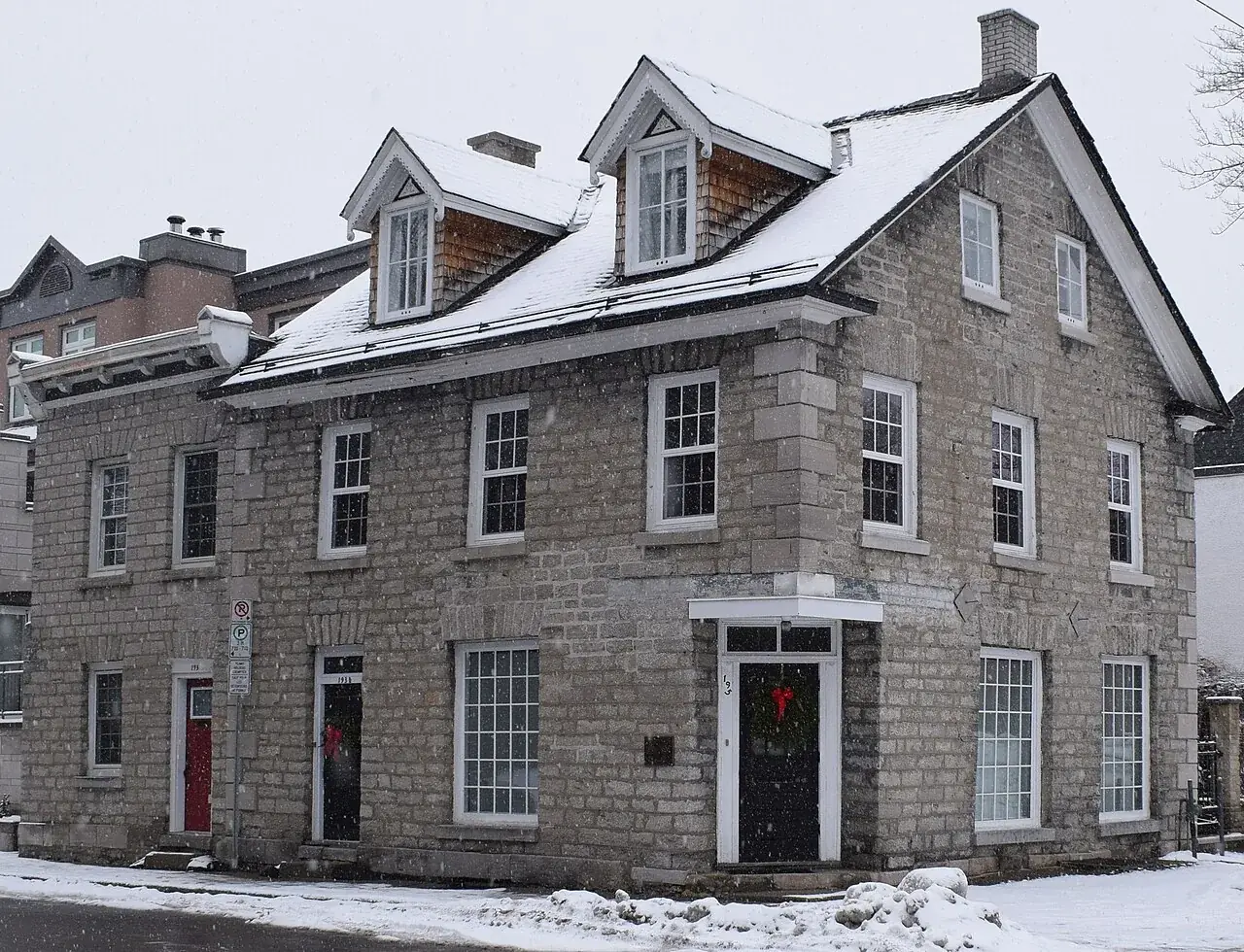
The City’s ByWard Market heritage description identifies nineteenth-century low-rise buildings mixed with later commercial development. Nearby Lowertown adds old houses, converted properties and infill; the wider area also contains modern condominium towers. “Historic neighbourhood” therefore does not mean every home is a century old, and a recent interior renovation does not establish when the structure, roof or building services were renewed.
For an older apartment over a business, ask about sound transfer, odours, garbage storage, delivery access and the separation between residential and commercial entrances. For a house or conversion, request the documented construction date, roof age, basement water history, heating arrangements and any permits for major alterations. Look at the condition of stairs, exterior brickwork and shared passages rather than judging upkeep from a newly painted room.
A condo needs a different review: current fees, reserve-fund information, recent major repairs, planned work and restrictions affecting pets, bicycles or short-term rentals. Confirm whether parking and storage belong to the unit or are rented separately. If exterior alterations are important to your plans, check the address against the City’s heritage-property information before budgeting for windows, doors or additions. Heritage status is an address-level question.
Property tax and the real monthly housing cost
There is no reliable single “usual ByWard Market tax bill”: a small condominium and a larger freehold house have different assessments. Use the City of Ottawa tax estimator with the property’s assessment, class and services, then compare the result with the actual tax bill. Do not enter the asking price as though it were the assessed value.
The examples below were checked for 2026 using the residential taxable class, full urban transit and fire service, curbside garbage collection and no sewer surcharge. They are illustrations, not neighbourhood averages. Condo/bin collection settings and property-specific charges can change the result; water and other separately billed utilities are outside these figures. Monthly equivalents simply divide the annual estimate by twelve.
For a condo comparison, put mortgage or rent, taxes, condo fees, parking, insurance and utilities on one sheet. A low advertised fee may cover fewer services. Ask whether a move-in booking, elevator reservation or refundable deposit affects your moving day. For a freehold property, keep building repairs separate from tax: neither a heritage designation nor a central address tells you how much the roof will cost to maintain.
| 2026 assessed value | Estimated annual tax | Monthly budget equivalent |
|---|---|---|
| $300,000 | $4,083.43 | $340.29 |
| $400,000 | $5,355.58 | $446.30 |
| $600,000 | $7,899.86 | $658.32 |
Street maintenance, winter and everyday upkeep
The Market combines municipal streets with building entrances, private courtyards and shared access routes. Establish who clears the route from your door to the sidewalk and who maintains any rear stairs or service lane. In a rental, get the arrangement in writing; in a condo, check what the corporation handles and what remains with the unit owner. A pleasant summer courtyard can be an awkward winter delivery route.
Ottawa’s snow-clearing priorities differ by road and sidewalk classification. A main route being clear does not mean every nearby residential passage has been cleared. Check where snow is stored, whether a plow blocks a driveway entrance and how you would reach transit after a snowfall. If you depend on street parking, read the posted signs and arrange somewhere to move the vehicle during winter restrictions.
On a viewing, inspect the garbage area, lobby, bike room and rear exit. These shared spaces reveal more about day-to-day management than a staged kitchen. Note overflowing bins, blocked access or recurring standing water and ask how issues are reported and resolved. Municipal street or sidewalk problems can be reported through 3-1-1; a building manager is the first contact for private common areas.
Groceries and a workable weekly routine
Farm Boy at the Rideau Centre, 50 Rideau Street, is a useful nearby food stop. Loblaws at 363 Rideau Street offers another supermarket option farther east; compare the walk from your particular block. Market stalls and specialty food shops add variety, but their seasonal assortment should supplement a dependable weekly grocery route rather than be your only plan for household basics.
Test the trip with the amount you actually carry. A short walk with one bag feels different from hauling a week’s shopping through crowded sidewalks and a building elevator. Compare the route home from the store entrance, not from the shopping centre’s map pin. If delivery is part of your plan, check loading access, concierge rules and whether the driver can reach your door.
Build a small errands map before moving: groceries, pharmacy, parcel pickup and your preferred bank or cash machine. The Rideau Centre is a useful concentration of retail, but individual businesses and opening hours change. Anyone who works shifts should verify late-opening options directly. Do not assume that an entertainment district means every practical service stays open late.
For meals between grocery trips, the Ottawa dining guide compares local areas and dining formats.
Transportation and the cost of keeping a car
Rideau Station is the main rail reference point for the Market. Your walk to its entrance varies considerably from the north and east edges, so measure it from the building rather than describing the whole area as “steps from the train.” Use OC Transpo’s current trip planner for the complete journey, including the service available at your usual departure and return times.
Walking can be convenient for downtown destinations, while trips to workplaces outside the centre may still require transfers. Try the commute on a normal weekday and allow for the time between your unit, the elevator, the street and the platform. For an airport trip, check the actual connection and any service notices rather than assuming one direct train.
A car brings parking costs and access questions that matter here. Confirm garage clearance, visitor arrangements, snow restrictions and whether the space fits your vehicle. Check the street approach to the garage and the moving-truck plan. Cyclists should inspect secure storage, stairs and the route to a comfortable crossing; the presence of nearby paths does not remove every busy intersection between home and the path.
Our guide to getting around Ottawa without a car explains the wider airport, railway and transit connections.
Schools, childcare and family logistics
York Street Public School at 310 York Street is a local school to investigate in neighbouring Lowertown. Its location is useful context, not a promise that a particular Market address is assigned there. Use the OCDSB school locator with the exact address, school year, grade and program, and ask the board to resolve any uncertainty before you sign a lease or purchase agreement.
Ottawa also has English Catholic, French public and French Catholic boards. The City’s school-enrolment guide points to all four boards and their admission information. French immersion and a French-language school are different choices; do not treat them as interchangeable. A school shown close by may have a different attendance area or admission process.
Walk the proposed school route at arrival time, especially if it crosses Rideau, King Edward or St. Patrick. Check the whole family schedule: childcare availability, before- and after-school care, school transportation eligibility and who handles pickup when work runs late. Nearby schools and community programs are valuable only if the actual placement and hours work for your household.
Nearby things to do beyond restaurants
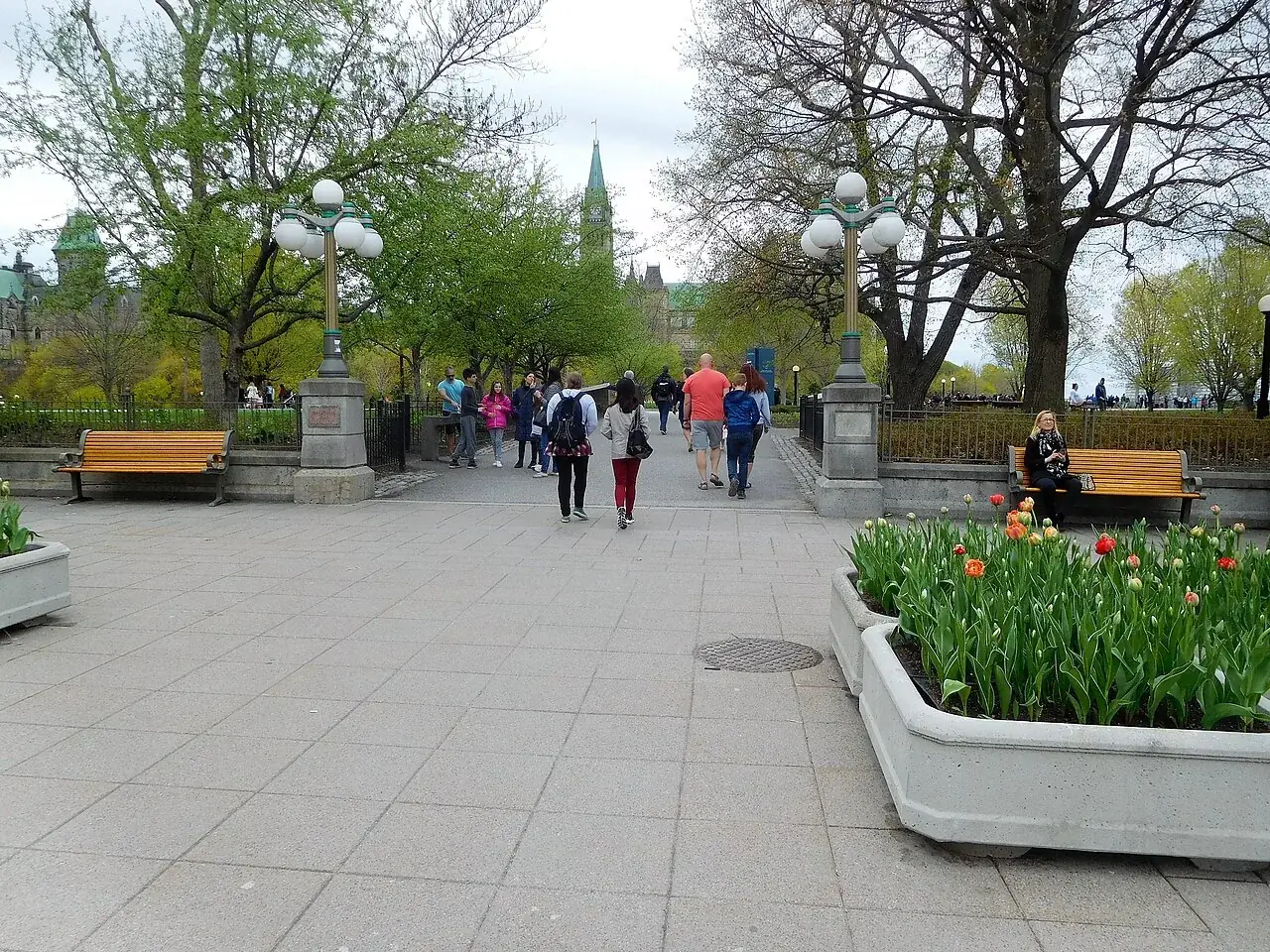
Major’s Hill Park provides a nearby open-space option beside the Market, with views and walking routes that make a quick outdoor break possible without driving. The National Gallery of Canada and the surrounding Sussex Drive area offer an easy cultural outing. Keep museum visits separate from free outdoor plans when building a realistic entertainment budget.
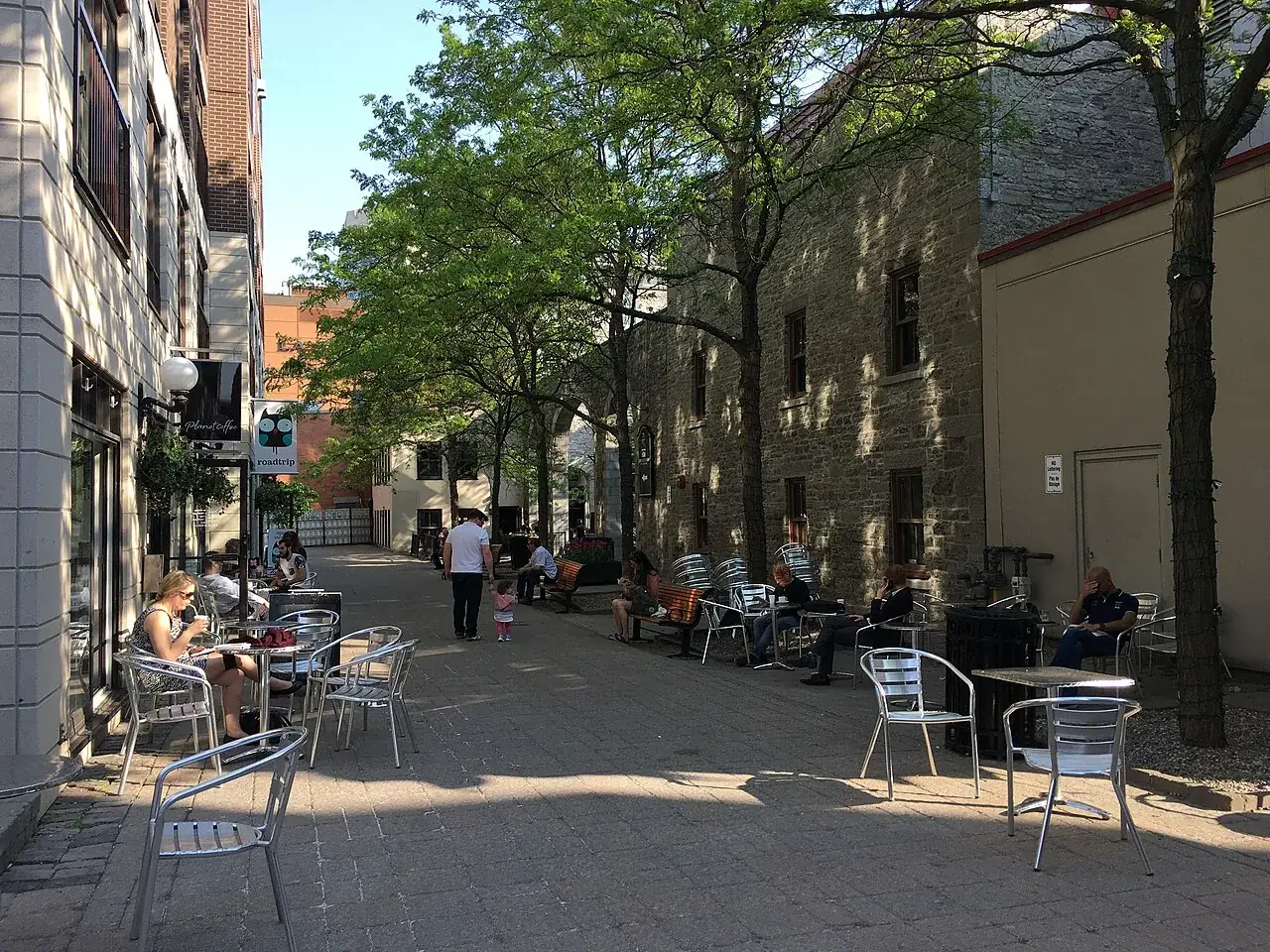
The courtyards between the Market’s streets offer a different atmosphere from the main restaurant strip. Try a short loop through them and the park, then return by the street you would normally use at home. This helps distinguish places you enjoy visiting occasionally from the route you will use every evening. Photos in this guide show the setting at their stated dates, not a guarantee that pictured tenants remain in business.
For indoor activity, Champagne Fitness Centre at 321 King Edward Avenue is worth checking in the City’s recreation-facility directory. Confirm the current drop-in schedule and any closure before making it your regular exercise plan. A useful first month could include one recurring class, a library visit and a familiar walking loop; you do not need to treat living here as a permanent sightseeing itinerary.
Compare Ottawa museums if you want a longer cultural visit beyond the nearby streets and park.
Before you commit to an address
Choose three non-negotiables—such as a quiet bedroom, an easy grocery walk and secure bicycle storage—and test each at the actual property. Keep photos of the entrance and shared spaces, request the relevant building records and calculate the total recurring cost. Revisit if a landlord or seller could only show the property during an unusually quiet period.
Confirm move-in access, utility arrangements, delivery instructions and the contact for urgent maintenance. For a family, verify school placement separately from a real-estate description. For someone giving up a car, trial the least convenient weekly journey, not just the easiest downtown commute. That single test is often more useful than counting how many restaurants appear within a kilometre.
Frequently asked questions about ByWard Market
Can you live in the ByWard Market without a car?
It can work well when your regular destinations are central and the walk to Rideau Station is manageable. Test groceries, evening travel and your least convenient weekly trip first. A car-free plan also needs practical options for larger purchases and occasional trips beyond the centre.
Is the ByWard Market noisy at night?
Some commercial streets have substantial evening activity, while other blocks and rear-facing units feel different. Visit at your normal bedtime and inspect the bedroom’s exposure to patios, traffic and loading areas. A neighbourhood label cannot tell you how quiet an individual apartment will be.
What property tax should I budget for?
Start with the property’s actual bill and assessment. Our 2026 urban curbside example is $5,355.58 a year at a $400,000 assessment, or $446.30 a month. This is an illustration, not a Market average, and condo services or local charges may differ.
Are all homes in the Market heritage properties?
No. The area contains heritage buildings, later construction and modern condos. Designation and alteration requirements depend on the address. Confirm the property’s status and permitted work before assuming that a planned exterior renovation will be straightforward.
Which school would my child attend?
The exact address, board, grade, program and school year determine the answer. York Street Public School is a nearby option to investigate, not an automatic assignment. Confirm with the relevant board and check childcare and transportation separately.
What is the most useful thing to check before renting here?
Inspect the shared entrance, garbage storage and route home at night, then listen from the bedroom. Ask who handles maintenance and snow clearing. These everyday details usually matter more to a resident than the number of attractions listed in an advertisement.
Explore more local guides from Ottawa Reviews.
How we research and correct our guides · Suggest a correction



.jpg)


.jpg)

