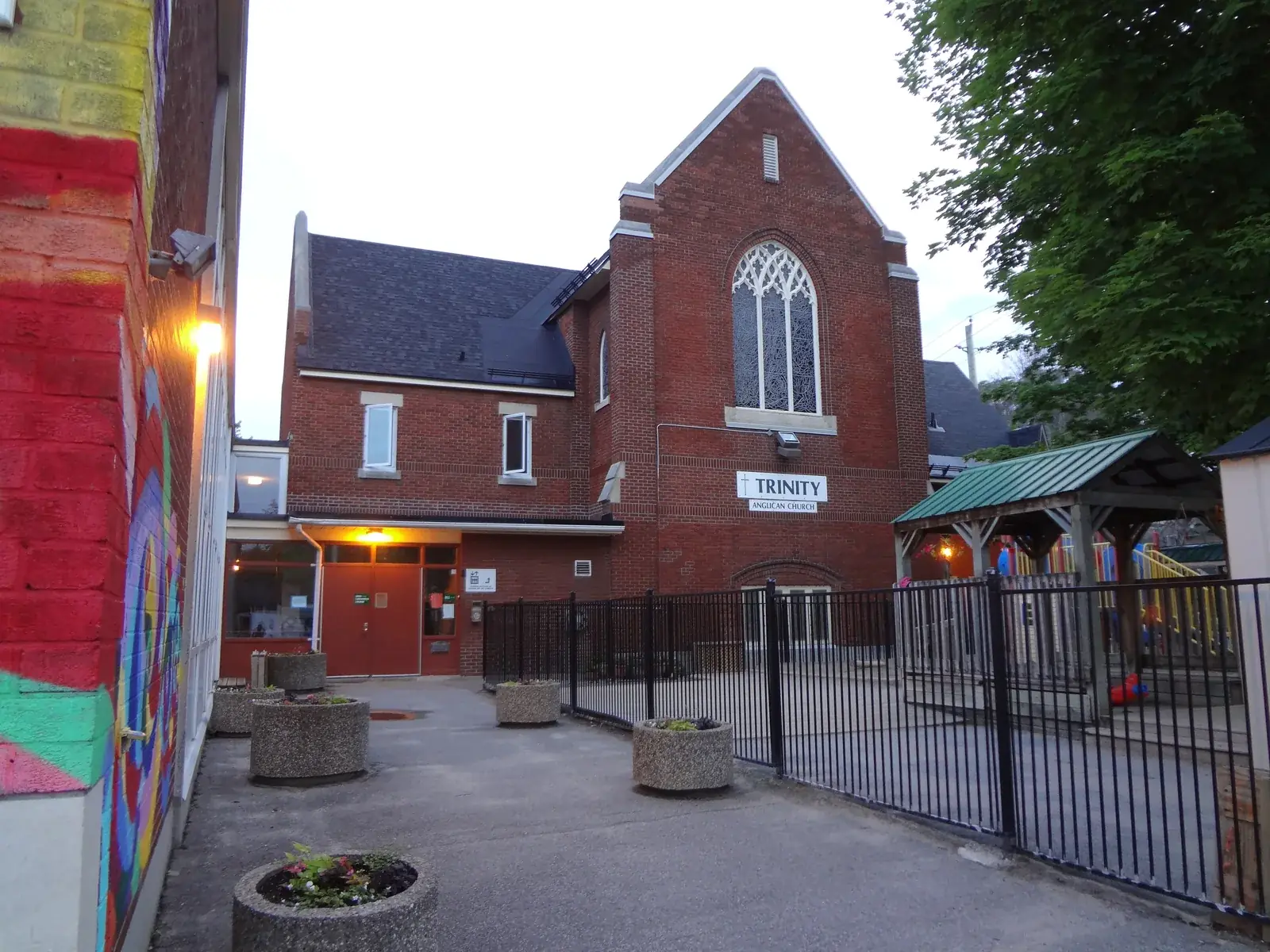
A compact neighbourhood between the canal and river
Old Ottawa South lies south of the Rideau Canal and north of the Rideau River, with Bank Street running through its commercial centre and Bronson Avenue toward the west. It is distinct from both the Glebe to the north and the much broader “Ottawa South” used in regional descriptions. Confirm the address before assuming a listing sits within this compact area.
The main appeal is a residential setting connected to Bank Street shops, cafés and entertainment, with access to parks and waterways. Proximity to Carleton University also shapes travel and rental demand around the western side. A home near Bronson, a Bank Street apartment and a residential side-street house can therefore offer different noise, traffic and daily walking experiences.
Map the trips you expect to repeat: groceries, school, work and exercise. The bridges over the canal and river are useful connections, but they also concentrate some journeys onto particular routes. Try the actual crossing rather than using a neighbourhood-centre distance. A short trip to the Glebe on a map still includes the approach, traffic lights and whatever you are carrying home.
Building ages and what “updated” should mean
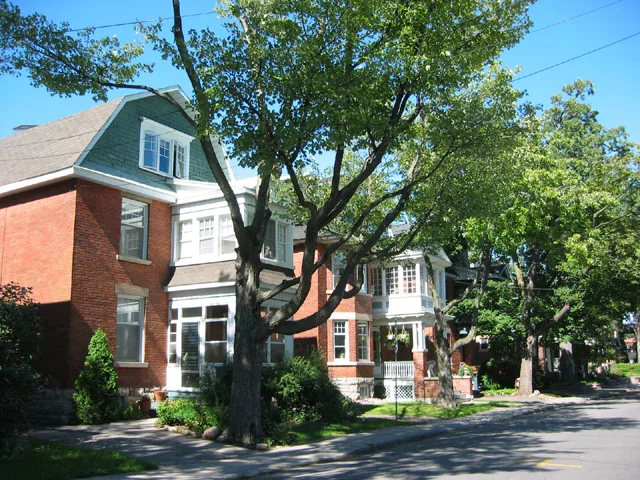
Old Ottawa South’s history includes annexation in 1907 and streetcar-driven growth around 1910. That early-twentieth-century development helps explain the older houses and traditional street pattern. Many homes belong to that general era, alongside later construction, additions and replacement buildings. Confirm the individual construction date rather than treating the neighbourhood’s founding date as the age of the house.
For an older property, ask about the roof, masonry, heating, plumbing, electrical updates and basement water history. Additions deserve particular attention: request the records and understand how the old and new parts connect. Walk around the exterior where access allows, checking grading, downspouts, stairs and the condition of shared or narrow passages.
A rental conversion needs questions about separate utilities, sound between units, laundry, ventilation and legal access to each space. For a newer infill or condo, examine storage, sound separation, common expenses and the long-term repair plan. The City’s heritage-property information is useful where a specific address has heritage status. Attractive older streets do not make every building designated, and a renovated interior does not establish permission for future exterior work.
The Ottawa drainage-planning guide is a useful starting point if water problems need assessment before a renovation.
Property tax and the maintenance budget
Old Ottawa South’s tax bills vary with assessment and property type. Use the actual bill for a shortlisted address and compare it with the City of Ottawa’s 2026 estimator. Do not calculate from a sale price unless it is also the assessment being used by the City; those figures are not interchangeable.
The table uses the residential taxable class, full urban transit and fire service, curbside garbage and no sewer surcharge, verified on 9 September 2026. These are examples at selected assessed values, not neighbourhood averages. Condo/bin collection settings, local charges and separately billed utilities may differ. Monthly equivalents divide the estimated annual amount by twelve.
For a house, prepare a separate near-term maintenance list based on inspection findings and documentation. Roof or drainage work, tree care and major equipment replacement should be priced rather than absorbed into a vague “older-home premium.” For a condo, review fees and planned projects. Add utilities, insurance and parking to either comparison so that a lower purchase price does not hide higher recurring costs or an immediate repair backlog.
| 2026 assessed value | Estimated annual tax | Monthly budget equivalent |
|---|---|---|
| $300,000 | $4,083.43 | $340.29 |
| $400,000 | $5,355.58 | $446.30 |
| $600,000 | $7,899.86 | $658.32 |
Groceries, Bank Street errands and larger shops
Cedars & Co. at 1255 Bank Street is a local food-shopping reference in Old Ottawa South. For larger grocery trips, Metro Glebe at 754 Bank Street and Whole Foods Market at 951 Bank Street are north of the canal in the Glebe. They are nearby options, but they are not on every resident’s doorstep. The best choice depends on which side of the neighbourhood you live on and the size of the trip.
Bank Street combines food stops, cafés and other small errands, which can reduce the number of separate outings. Check where you would buy household staples, fill a prescription and collect a parcel, not just where you would have coffee. A compact neighbourhood still needs a backup plan when a particular shop is closed or does not carry an item.
Try the trip home with groceries before deciding that a car is unnecessary. The bridge, stairs at home and winter conditions all add effort. If delivery is your preferred solution, confirm the building’s access and receiving arrangements. Keep current hours and store services as a direct check rather than treating an older photograph or directory entry as a promise of availability.
Our rainy-day Ottawa guide explains how a Mayfair film and a nearby meal can form a shorter indoor outing.
Transit, Carleton access and crossing the neighbourhood
Bank Street is a useful surface-transit reference, while Carleton Station on Line 2 sits on the university campus toward the west. Its usefulness depends on your address and destination. Walk the complete route to the station entrance; a home on the eastern side of Old Ottawa South may have a more convenient bus option for some journeys.
Use OC Transpo’s current trip planner with your normal departure and return times. Check transfers, service notices and the final walk from the stop. A trip to a downtown office, an airport connection and a journey to a suburban workplace need separate planning. Avoid judging transit solely by the quickest journey shown at one time of day.
Cycling can make the canal, river and campus connections useful, but inspect busy crossings and storage at home. Drivers should confirm the actual driveway or parking space and any shared arrangement. Nearby university activity and Lansdowne events can affect particular routes; test the street when those activities matter to your schedule. Choose the entrance and commute you can use comfortably rather than relying on a broad “central location” label.
Schools, childcare and a realistic family route
Hopewell Avenue Public School at 17 Hopewell Avenue is a prominent local reference. Its location does not guarantee admission for every child or program. Use the OCDSB school locator for the address, grade, program and academic year, and confirm the result with the board. Later-grade placement should be checked separately rather than inferred from the elementary school.
Families interested in English Catholic, French public or French Catholic education should consult the City’s school-board information and the relevant board’s process. French immersion and French-language education have different admission and program arrangements. Ask about your child’s specific situation before using school proximity to choose between homes.
Walk the proposed school route at arrival time, paying attention to Bank Street and any bridge or major-road crossing. Confirm before- and after-school care, transportation eligibility and the pickup plan on days when work runs late. Brewer Park and community activities can add value to family life, but program registration and childcare availability are separate from simply living nearby.
Brewer Park, the Old Firehall and evenings nearby
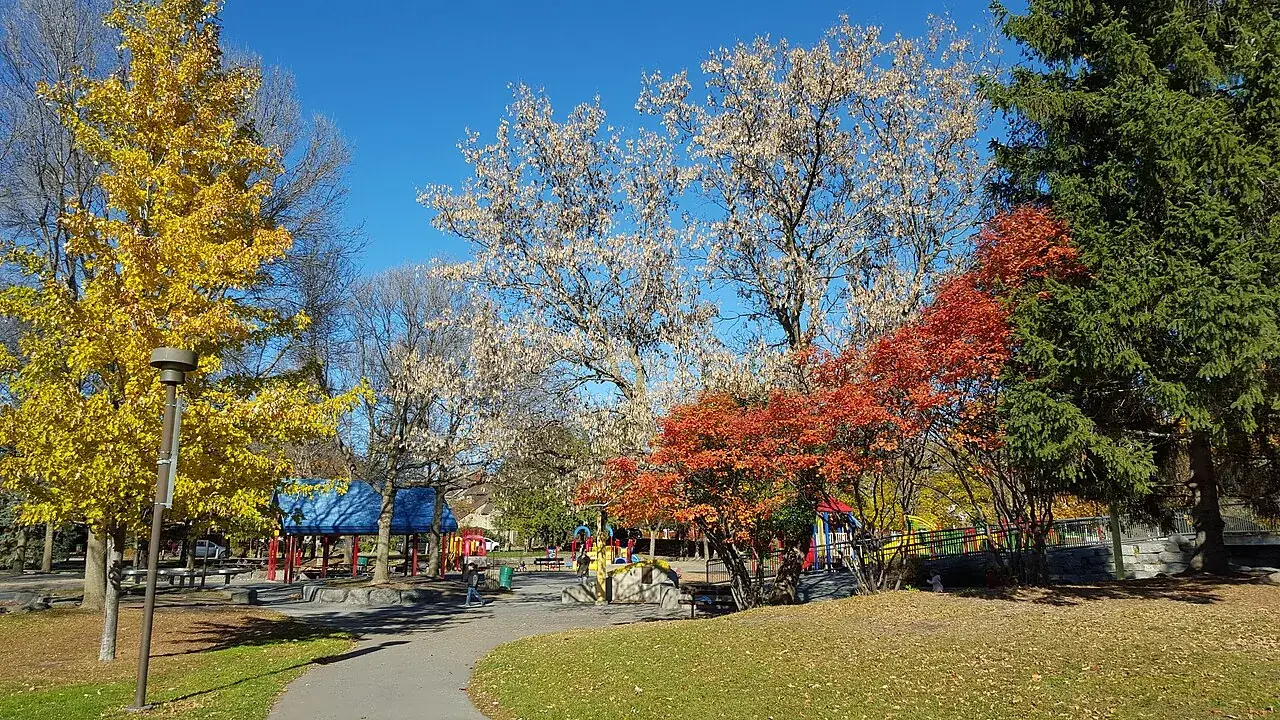
Brewer Park offers a substantial outdoor recreation setting, and Brewer Pool and Arena at 100 Brewer Way provides indoor facilities. Check the current schedule, admission rules and maintenance closures before organizing a weekly activity. The best facility is the one with a suitable available session, not merely the one closest to the property.
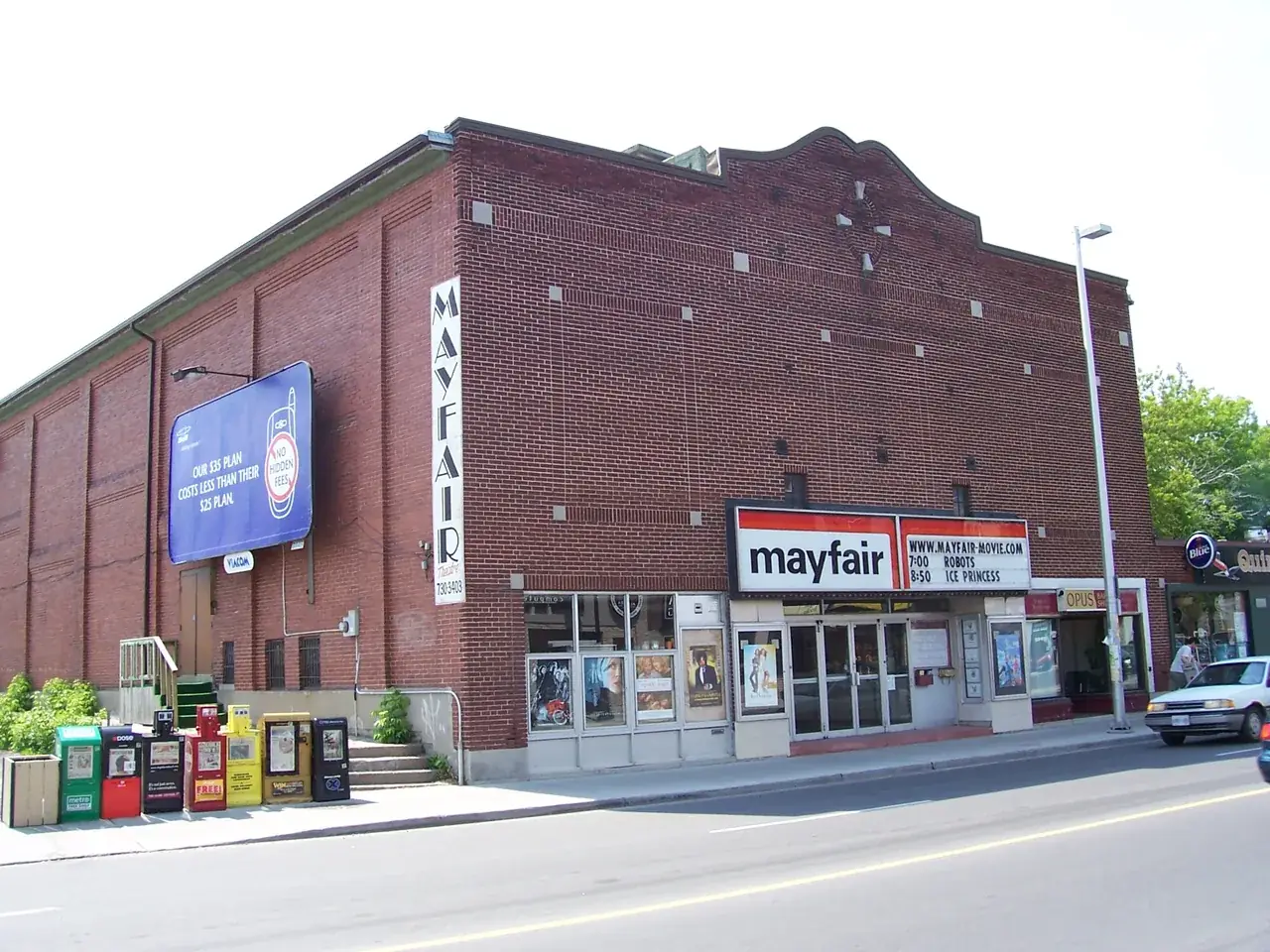
The Old Firehall community centre at 260 Sunnyside Avenue is another useful local reference for community life. Bank Street adds the Mayfair Theatre, cafés, books and music-oriented venues. Ottawa Tourism’s Glebe and Old Ottawa South overview introduces that mix. Verify current performances and opening hours directly when making a plan, especially when the evening depends on a particular venue.
For quieter time, explore routes along the canal or river and identify a short loop from your own street. Crossing north brings you into the Glebe and toward Lansdowne, but ongoing Lansdowne construction can affect the destination’s access and atmosphere in 2026. Keep the everyday local walk separate from a longer event outing; both can be useful without having to fit into one itinerary.
For visiting family, the day-out guide for an older parent focuses on pacing, access and practical pickup arrangements.
What to check before moving
Compare the actual home, not just its street character: major-system records, sound, storage, winter entry and shared access. Then test groceries, transit and the school route where relevant. A property can look close to both water and shops while still having an awkward entrance or an inconvenient crossing on the route you use most.
For a purchase, match the inspection findings to quotes and a realistic repair schedule. For a rental, confirm the full monthly charge and written maintenance arrangements. If Carleton access or walking to the Glebe is central to the move, try those journeys first. A successful choice is one that makes ordinary days easier while leaving room in the budget for the home’s actual upkeep.
The Glebe resident guide provides a comparison north of the canal, including housing history, groceries and Lansdowne activity.
Frequently asked questions about Old Ottawa South
Is Old Ottawa South the same as Ottawa South?
No. Old Ottawa South is the compact neighbourhood between the canal and Rideau River, around Bank Street. “Ottawa South” can refer to a much larger area. Confirm the actual address and boundaries when comparing listings or estimating a commute.
How old are the houses?
The area grew significantly in the early twentieth century, particularly after annexation and streetcar expansion. Many homes reflect that period, with later buildings and additions mixed in. Request the individual construction date and records of major upgrades rather than relying on appearance.
What should I allow for property tax?
Use the actual bill and assessment. Our 2026 example at a $400,000 assessment is $5,355.58 a year with full urban services and curbside collection. It is an illustration, not an Old Ottawa South average; local charges and other service settings can differ.
Is there a grocery store within the neighbourhood?
Cedars & Co. at 1255 Bank Street is a local reference. Metro and Whole Foods in the Glebe provide larger-store options north of the canal. Test the complete trip with your normal shopping load before deciding which route is convenient from your home.
Can I walk to Carleton’s O-Train station?
That depends on where you live and which route to the campus entrance you use. Carleton Station can be useful from the western side, while a bus may suit other addresses or destinations better. Compare complete journeys in the current OC Transpo planner.
Does living near Hopewell guarantee a school place?
No. The address, board, grade, program and year need to be checked. Confirm placement directly and investigate childcare and transportation separately. A short distance to the building is useful context, not an enrolment guarantee.
Explore more local guides from Ottawa Reviews.
How we research and correct our guides · Suggest a correction